In the restaurant world, your reputation is built one plate at a time—and it can be damaged in a single moment. A guest spotting a roach near a baseboard, a fly landing on a table, or evidence of rodents in a storage area isn’t just an unpleasant surprise. It’s a trust-breaker. In Northwest Arkansas, where restaurants compete hard for loyal customers, pest control for restaurants isn’t optional—it’s a core part of operating a safe, compliant, and profitable business.
Even the cleanest kitchens can face pest pressure. Deliveries come in daily. Doors open constantly. Dumpsters fill quickly. Floor drains run all night. And with the region’s seasonal shifts—hot summers, humid shoulder seasons, and colder winter snaps—pests adapt and look for the easiest food and shelter they can find.
This guide walks through the most common restaurant pest threats in Northwest Arkansas and the practical strategies that reduce risk long-term. We’ll cover cockroach pest control, rodent pest control, pest control for flies, and even why bed bug treatment matters for certain restaurant environments. If you’ve ever searched “pest control services near me” after a stressful sighting, you’re not alone—and you’re exactly who this blog is written for.
Why Pest Control for Restaurants Is Critical for Health, Safety, and Compliance
Restaurant pest control is about more than comfort. It touches health codes, staff safety, customer experience, and business continuity. The goal is simple: prevent pests from becoming a problem and respond fast if they do.
Health code violations and business risks
Health departments don’t just look at whether food tastes good—they assess whether it’s protected from contamination. Pests can introduce pathogens, contaminate surfaces, and compromise food storage. Even “minor” evidence like droppings, gnaw marks, or insect activity can lead to citations and follow-up inspections.
In a commercial kitchen, pests often point to a breakdown somewhere in the system—sanitation gaps, structural entry points, moisture issues, or storage practices. The longer the issue goes unaddressed, the harder it becomes to correct quickly.
How pests damage restaurant reputation
Today, reputation travels faster than ever. A single customer photo or review can circulate in minutes. Even if the issue is isolated, the perception is often: If I saw that, what else is happening back there?
And it doesn’t take a full-blown infestation to hurt you. A few flies in the dining area or one cockroach near a restroom can become “the story” people associate with your restaurant. Strong pest control services help protect the experience you’re working hard to create.
The cost of ignoring infestations
Ignoring pest activity almost always increases the final bill—financially and operationally. You may face:
- Discarded inventory due to contamination risk
- Emergency closures or downtime for deep cleaning and treatment
- Equipment damage (especially with rodents)
- Staff distraction and turnover if conditions feel unsafe
- Lost repeat business and negative word-of-mouth
The real cost isn’t just treatment. It’s interruption.
Restaurant Pest Risks Explained — Cockroaches, Rodents, Flies, and Bed Bugs

Different pests create different risks, and restaurants can deal with more than one type at a time. The most common threats in food service environments include roaches, rodents, and flies—plus bed bugs in certain scenarios.
Why restaurants attract pests
Restaurants offer exactly what pests want:
- Food: crumbs, spills, grease buildup, unsealed ingredients
- Water: floor drains, mop sinks, leaky pipes, condensation
- Shelter: drop ceilings, storage rooms, wall voids, cardboard piles
- Warmth: cooking equipment, motor housings, dish areas
Even a well-run kitchen can attract pests if structural vulnerabilities exist or if a neighboring business has an issue that spreads.
Signs of hidden infestations
Pests tend to hide, so you often see evidence before you see the pest. Common warning signs include:
- Droppings (rodents), smears along walls, gnaw marks on packaging
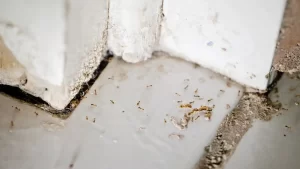
- Egg cases or pepper-like specks (roaches), musty odors, shed skins
- Increased fly activity near drains, soda stations, or dumpsters
- “New” holes around pipe penetrations or door gaps
- Staff reporting sightings during opening or closing shifts
A good rule: if you see pests during the day, the issue may already be established.
Seasonal pest pressures in Northwest Arkansas
Northwest Arkansas pest activity shifts throughout the year:
- Warm months: flies surge, roaches multiply faster, and doors open more frequently
- Rainy/humid periods: moisture draws roaches and increases breeding in drains
- Cold snaps: rodents seek warmth indoors and exploit tiny entry points
Seasonality matters because prevention plans should adjust—more monitoring in peak months, tighter exclusion in colder periods, and consistent sanitation year-round.
Cockroach Pest Control Strategies That Keep Commercial Kitchens Safe
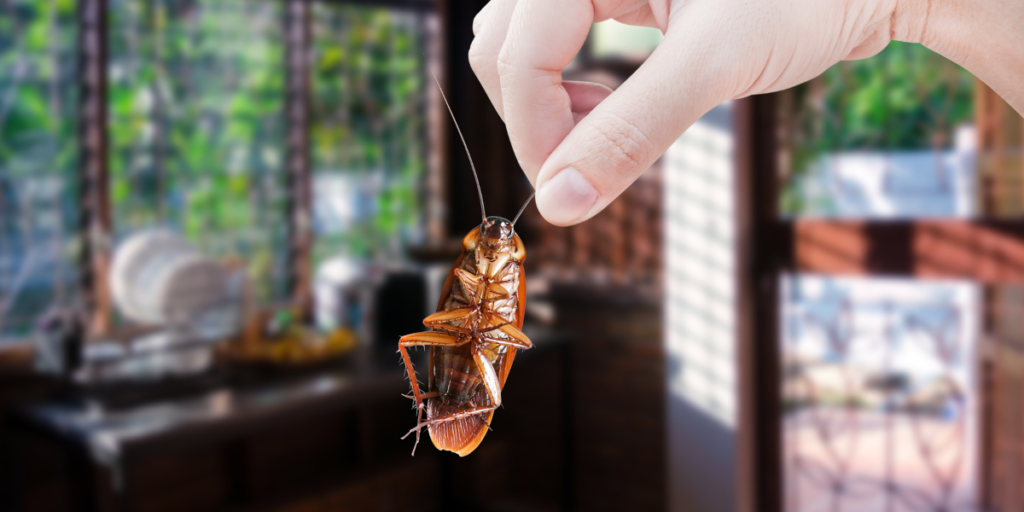
Roaches are one of the most alarming pests in restaurants because they’re persistent, fast-breeding, and excellent at hiding. Effective cockroach pest control is a combination of sanitation, exclusion, and targeted treatment—not just “spraying and hoping.”
High-risk areas roaches target
Roaches prefer warmth, moisture, and access to food. In restaurants, high-risk zones include:
- Behind and under cooking equipment (ovens, fryers, warmers)
- Dishwashing areas and floor drains
- Mop sinks and utility closets
- Cracks along baseboards and wall-floor junctions
- Cardboard storage and cluttered dry storage areas
The tricky part is that roaches can live close to the kitchen line without being obvious—until pressure increases.
Prevention vs. active infestation treatment
Prevention focuses on removing attractants and limiting access: sealing gaps, improving cleaning routines, and monitoring with traps. Active infestations usually require more precise work: baiting, growth regulators, targeted crack-and-crevice applications, and follow-up inspections.
For restaurants, the most reliable approach is one that fits your environment and operating schedule—treatments that work without disrupting service.
Long-term sanitation practices
Sanitation is the foundation roaches hate most. Strong practices include:
- Nightly degreasing around and beneath equipment
- Cleaning under liners and mats (not just around them)
- Keeping dry storage organized and rotating stock (FIFO)
- Reducing cardboard buildup and moving deliveries off the floor quickly
- Fixing leaks and drying wet areas before close
When sanitation and professional treatments work together, roach pressure drops dramatically.
Rodent Pest Control Solutions to Prevent Contamination and Damage

Rodents are more than a nuisance. They contaminate surfaces, chew wiring, damage insulation, and exploit small weaknesses in building structure. Effective rodent pest control is built on exclusion and monitoring, not just trapping.
Entry points rodents exploit
Mice are capable of slipping through gaps no bigger than a dime, often entering through places like:
- Gaps under exterior doors or damaged door sweeps
- Utility penetrations (pipes, conduit, HVAC lines)
- Cracks in foundations or brick joints
- Dock doors and areas around receiving bays
If your restaurant is near wooded areas, drainage corridors, or dumpsters shared with other tenants, the risk increases.
Food storage protection strategies
Rodent prevention improves quickly with a few non-negotiables:
- Store food in sealed, rodent-resistant containers
- Keep ingredients at least 6 inches off the floor
- Clean up spills immediately (especially grains, flour, sugar)
- Avoid leaving pet food or staff snacks unsecured overnight
- Tighten receiving checks—damaged packaging should not enter storage
Rodents thrive on “easy calories.” Your job is to make food access hard.
Monitoring and exclusion methods
The most effective rodent programs combine:
- Exterior and interior monitoring stations
- A documented inspection path (so nothing gets missed)
- Exclusion work (sealing, door sweeps, screens)
- Clear corrective actions after each service
This is where experienced pest control services really show their value—because the best results come from preventing entry, not reacting after sightings.
Pest Control for Flies — Stopping Infestations Before They Spread
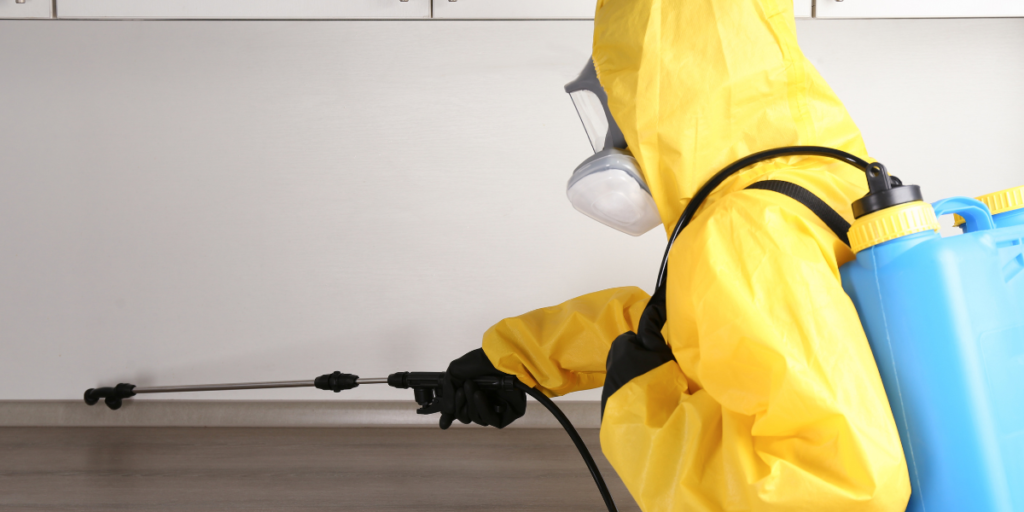
Flies are one of the quickest ways to make a dining area feel unsafe. Strong pest control for flies focuses on breeding sources—not just killing what you see.
Fly breeding hotspots in restaurants
Common breeding and attraction points include:
- Floor drains (especially in dish areas and bars)
- Soda fountains and syrup lines
- Wet mop heads and mop buckets left overnight
- Trash rooms and dumpster pads
- Grease traps and areas with organic buildup
If flies keep returning, it’s usually because a breeding site wasn’t fully addressed.
Waste management best practices
Fly control improves dramatically when waste is managed like a system:
- Empty interior trash frequently and use liners consistently
- Clean bins and trash-room floors (not just “take out the bag”)
- Keep dumpster lids closed and schedule regular washdowns
- Reduce liquid leakage from bags—double-bag wet waste when needed
- Maintain grease traps and prevent overflow/odor buildup
Commercial fly control systems
A professional plan may include:
- Targeted drain treatments and enzyme/foaming products
- Fly lights placed strategically (and serviced regularly)
- Exclusion steps like air curtains or door management routines
- Monitoring to spot patterns by location and time
The best fly control is proactive and consistent—especially during warmer months in Northwest Arkansas.
Bed Bug Control for Restaurants — Safeguarding Staff, Storage, and Dining Spaces
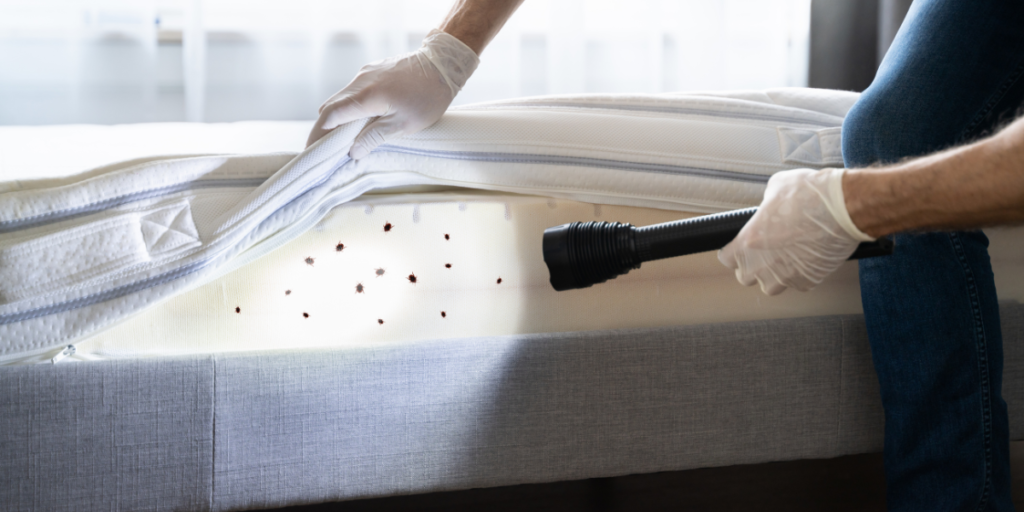
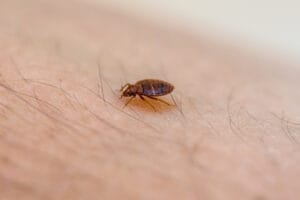
Bed bugs aren’t only a residential problem. While restaurants aren’t the most common bed bug site, they can be affected—especially if there’s upholstered seating, staff lockers, or shared building traffic.
How bed bugs reach commercial spaces
Bed bugs typically arrive by hitchhiking:
- On guests’ bags, coats, or personal items
- Through neighboring tenants in multi-unit buildings
- Via used furniture or secondhand items brought into the restaurant
- In staff areas where personal belongings are stored closely together
Early detection techniques
Early detection prevents bigger disruption. Helpful habits include:
- Checking upholstered seating seams during routine cleaning
- Monitoring staff storage areas and break rooms
- Training managers to recognize signs (spots, shed skins, bites reports)
- Documenting any suspected sightings immediately
Professional bed bug treatment process
Professional bed bug treatment is highly specific and usually includes inspection, targeted treatment methods, and follow-up verification. The right approach depends on where activity is found and what materials are involved (fabric seating, storage areas, wall cracks). The key is discreet, thorough service that resolves the issue without unnecessary downtime.
How Professional Pest Control Services Protect Northwest Arkansas Restaurants
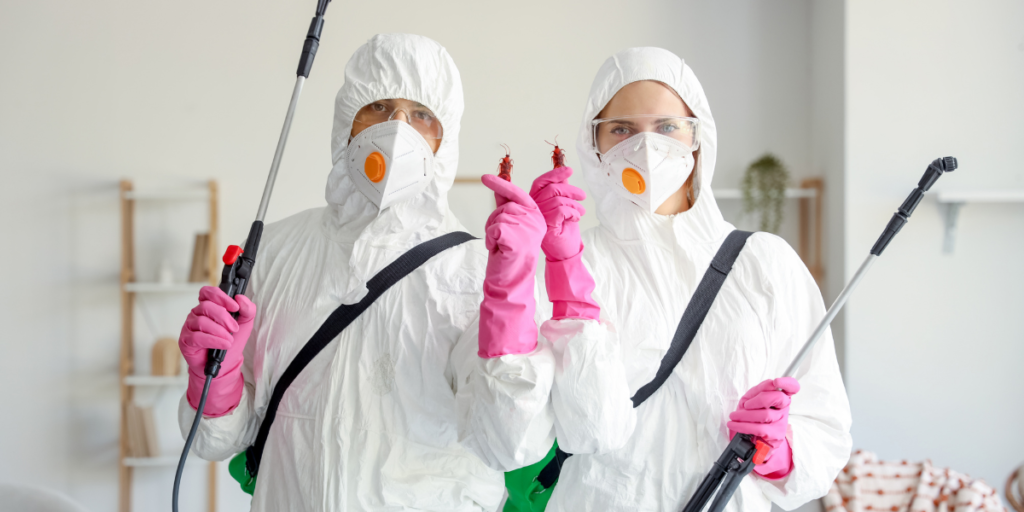
Restaurants need more than occasional visits. They need a program that’s built for commercial kitchens and real-world operations.
Routine inspections and compliance checks
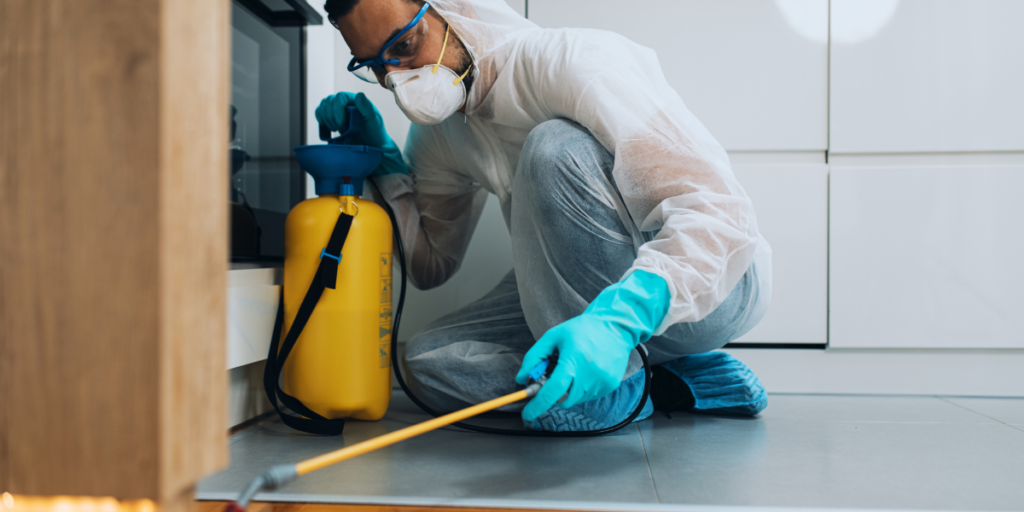
Professional teams don’t just treat—they inspect, document, and help you stay audit-ready. Regular service creates a record of monitoring, corrective actions, and trend spotting, which supports compliance and helps catch issues early.
Customized treatment programs
A one-size-fits-all plan won’t work across different restaurant layouts. A good provider adapts to:
- Your hours of operation
- Kitchen design and storage flow
- Pest history and neighborhood pressure
- Risk zones like bars, patios, dumpsters, and loading docks
Emergency pest response support
Even with prevention, emergencies happen. Fast response matters because delays can turn a small issue into a public one. The best pest control services provide clear communication, quick scheduling, and a practical plan to stabilize the situation.
Choosing Reliable Pest Control Services Near Me for Ongoing Prevention
When restaurant owners search “pest control services near me,” they’re usually looking for speed. But reliability matters just as much as availability.
What to look for in a commercial pest provider
Look for a partner who understands restaurant realities:
- Clear service documentation and communication
- Strong inspection process (not just quick spraying)
- Willingness to coordinate with managers and staff
- Focus on prevention, exclusion, and sanitation guidance
- A plan that fits your budget without cutting corners
Certifications and industry standards
You want a provider that follows commercial best practices, uses regulated products correctly, and trains technicians to work safely around food environments. Ask about licensing, training, and how they handle sensitive areas like kitchens and storage rooms.
Importance of local expertise
Northwest Arkansas has its own pest patterns, building styles, and seasonal pressures. Local experience helps a provider anticipate what’s coming next—not just respond to what’s already visible.
Customized Commercial Pest Control Plans for Restaurant Environments

The best results come from a plan designed around your facility and your risk points, not a generic checklist.
Kitchen-focused treatment strategies
Commercial kitchens require precision: targeting cracks and crevices, focusing on moisture sources, and using methods that make sense for food-prep environments. The right strategy reduces pest activity without disrupting service.
Preventive maintenance scheduling
Consistency beats intensity. Scheduled service—plus seasonal adjustments—helps avoid surprise infestations. Preventive scheduling typically includes regular monitoring, periodic deep checks of high-risk areas, and adjustments based on what inspections reveal.
Integrated pest management approach
Integrated Pest Management (IPM) combines:
- Inspection and monitoring
- Sanitation and operational improvements
- Exclusion and structural fixes
- Targeted, responsible treatments when needed
IPM is especially effective for pest control for restaurants because it addresses root causes, not just symptoms.
Preventive Pest Management Tips Every Restaurant Owner Should Know
Even the best pest provider needs cooperation from daily operations. These habits make professional service more effective and reduce pest pressure fast.
Daily sanitation habits
- Clean floor drains routinely and keep them from becoming breeding sites
- Don’t let grease accumulate under/behind equipment
- Wipe down prep areas thoroughly at close
- Store food sealed, labeled, and off the floor
- Fix leaks quickly and dry wet areas nightly
Staff awareness training
Train staff to report pest activity immediately and specifically (where, when, what they saw). Also train teams on door habits, trash management, and why clutter and cardboard buildup matter.
Regular professional inspections
Consistent inspections catch small issues early—before a guest notices. They also help you stay ahead of seasonal pressure, especially for cockroach pest control, rodent pest control, and pest control for flies.
Conclusion
Pests don’t just threaten your kitchen—they threaten guest trust and your restaurant’s reputation. The best defense is consistent sanitation plus proactive, professional pest control for restaurants that stops problems early and responds fast when needed. If you’re searching for pest control services near me in Northwest Arkansas, Rid A Pest can help with tailored programs for cockroach pest control, rodent pest control, and pest control for flies—so you can stay focused on serving great food, not fighting infestations.