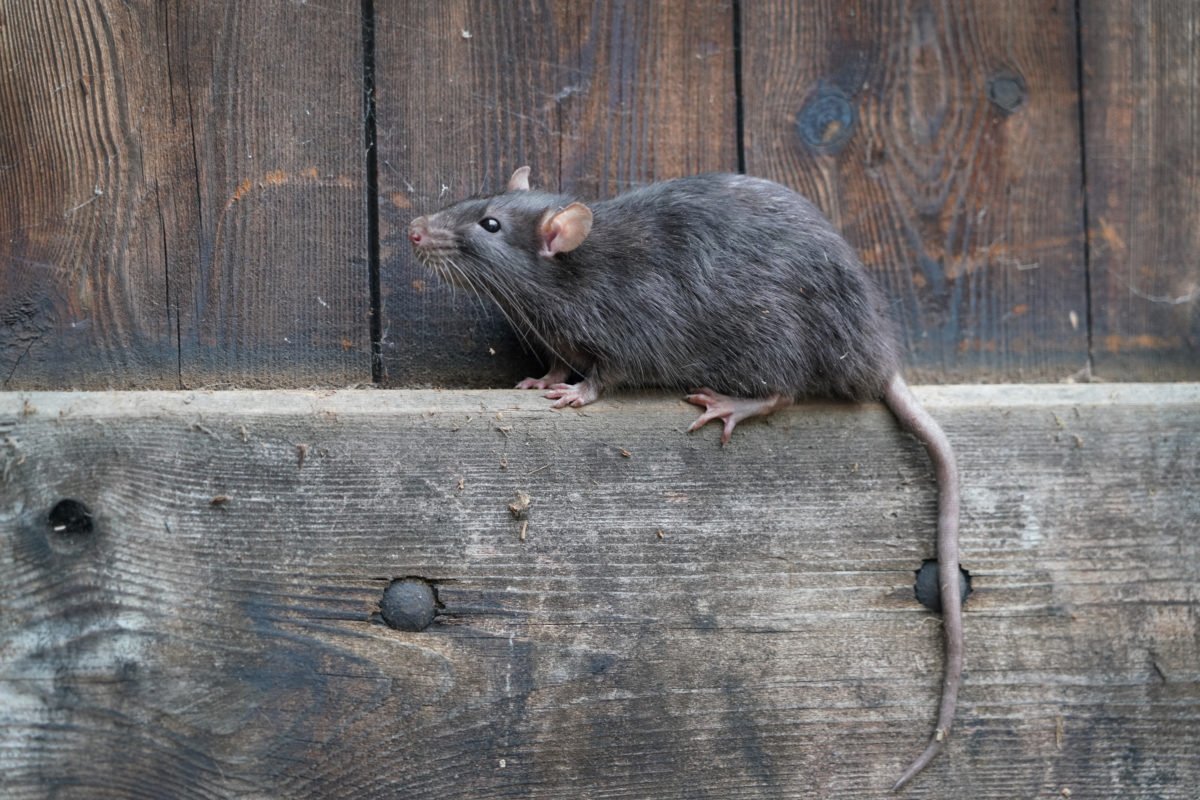
Rats are more than just an occasional nuisance in your garage or attic—they are destructive, fast-breeding pests that can contaminate your home and cause serious damage. If you are looking for clear, step-by-step guidance on pest and rat control, you are in the right place.
In this guide, we will show you how to identify signs of rat activity, understand what attracts them, explore effective DIY removal methods, and know when it is time to call in professional pest and rat control services. For homeowners in Northwest Arkansas, these strategies are especially valuable for managing year round rodent pressure and achieving long-term rat control.
Did you know? Just two rats can produce dozens of offspring in a single year when food and shelter are readily available—making early pest and rat control essential.
Why You Should Take Rat Problems Seriously
Effective rat control starts with understanding the risks. Rats are not a “wait and see” pest—the longer they remain in your home, the more difficult and costly they are to eliminate.
Health hazards and contamination in the home
Rats leave behind urine and droppings on surfaces and food sources, creating unsanitary conditions throughout your home. They can also carry parasites like fleas and spread harmful bacteria as they travel through kitchens, pantries, and storage areas. Even if you never see a rat during the day, hidden activity can lead to ongoing contamination—making proactive pest and rat control essential.
Risk of damage to wires, insulation, and stored items
Rats constantly chew to keep their teeth from overgrowing. As a result, they often gnaw on electrical wiring, tear apart insulation, and destroy stored belongings like boxes, clothing, and seasonal decorations. This type of damage can become expensive quickly and may even increase the risk of electrical fires in attics and crawlspaces. Effective pest and rat control not only protects your home but also safeguards your health and property.
What Attracts Rats to Homes and Yards?
If you want effective rat control, you need to eliminate the reasons rats are drawn to your home in the first place. Effective rat control is not just about removal—it is equally about prevention.
Food sources: trash, pet food, bird seed, compost
Rats are opportunistic feeders. Common attractants include:
- Unsealed trash cans or bags left outside overnight
- Pet food bowls left out on porches or in garages
- Bird seed spilled under feeders
- Compost piles with exposed food scraps
Water sources: leaks, standing water, HVAC drip lines
Rats need water like any other animal. They will take advantage of:
- Leaky hose bibs and outdoor faucets
- Standing water in planters or clogged gutters
- Condensation lines and HVAC drip lines
- Slow plumbing leaks under sinks
Shelter: clutter, wood piles, sheds, dense landscaping
Rats love protected places where predators cannot reach them. Common shelters include:
- Stacked firewood close to the home
- Cluttered garages, storage rooms, and sheds
- Overgrown shrubs and tree limbs touching the roof. foundation
- Dense ground cover and overgrown landscaping. and neglected corners of the yard
Openings rats use to get inside
One of the biggest overlooked parts of pest and rat control is entry points. Rats can squeeze through surprisingly small gaps. They use:
- Gaps around pipes and utility lines
- Loose garage door seals
- Broken vents or crawlspace screens
- Openings along rooflines, fascia, and soffits
Common Rats Found in Homes (Rat Species Basics)
In most residential situations, homeowners encounter a few common species. Identifying the type of rat you are dealing with is an important step in effective pest and rat control, as it helps determine the best treatment approach.
Common rats found around homes include:
- Norway rats – typically found near foundations, crawl spaces, basements, and outdoor burrows
- Roof rats – often located in attics, rooflines, trees, and upper areas of the home
- Pack rats – commonly found in crawl spaces, sheds, woodpiles, junk piles, and under decks
If you are unsure which species is present, a professional pest and rat control inspection can identify the problem based on droppings, tracks, and nesting behavior—ensuring the right solution is used from the start.
Rat Identification: Signs You Have Rats in the House
Before investing in professional help or attempting DIY solutions, confirm that you are actually dealing with a rat infestation. Accurate identification is a critical first step in effective pest and rat control. While rats are skilled at staying out of sight, they almost always leave behind clear signs of their presence.
Droppings, rub marks, gnaw marks, and grease trails
Look for droppings near walls, behind appliances and furniture, in pantries, in the garage and the attic. corners. You may also notice:
- Dark rub marks along baseboards
- Gnaw marks on wood, cardboard, or plastic bins
- Grease marks trails along common runways
Noises in walls or attic: what it usually means
Sounds like scratching, scurrying, or light thumping—especially at night—are often strong indicators of rat or mouse activity inside walls, ceilings, or insulation. Because rats are nocturnal, these noises tend to be most noticeable after dark when they are actively moving, feeding, and nesting.
In many homes, attic noise is one of the earliest warning signs of an infestation. If you are hearing consistent activity overhead, it is a good indication that rodents have established themselves and that prompt pest and rat control action is needed.
Tracks and burrows: how to check around the yard
Outside, check for:
- Burrow holes near slabs, decks, or dense vegetation
- Packed down trails through grass
- Tracks in dusty areas like garages or crawlspaces
Smell and nesting material clues
A strong, musky odor is another common sign of an active infestation and often becomes more noticeable as rat activity increases. You may also find shredded materials such as paper, insulation, or fabric, which rats use to build nests.
How to Get Rid of Rats in the Home (DIY Rat Control That Works)
Homeowners often ask how to get rid of rats quickly without overcomplicating the process. A solid DIY approach can work for light activity, but it must be done correctly for true pest and rat control.
Where to place traps for best results
Rats prefer to run along walls rather than across open space. Place traps where they travel, not in the middle of the room.
Along walls, behind appliances, attic corners, garage edges
High value trap locations include:
- Along baseboards and behind the stove or refrigerator
- Near garage walls and storage areas
- In the attic near suspected runways
- Near entry points you have identified
What bait works best for rats?
For effective results, high-protein and strong-smelling baits tend to work best when setting traps as part of your pest and rat control strategy. Use small amounts to encourage rats to fully engage with the trap.
Try using:
- Peanut butter (apply a small amount so they have to work for it)
- Cut apples or dried fruit
- Small pieces of jerky or bacon (use caution if you have pets)
Traps vs bait stations: which is safer for homes with kids and pets
Traps can be effective but must be placed where children and pets cannot reach them. Bait stations can be safer when properly secured, but they should still be used carefully and according to label instructions. When in doubt, professional rat control services are the safer option for many households.
How long does it take to get rid of rats?
The timeline for results depends on the size of the infestation and how well food sources and entry points are managed. Minor activity may improve within a week, while larger infestations can take several weeks—especially if rats continue entering from outside.
For long-term success with pest and rat control, exclusion is just as important as removal. Sealing entry points and eliminating attractants are key to preventing future infestations.
What not to do when trying to get rid of rats
Avoid shortcuts that can make a rat problem worse instead of better. Effective pest and rat control requires a strategic, well-planned approach:
- Do not rely on random toxic baits without a clear plan, as this can lead to hidden dead rodents and ongoing odor issues
- Do not seal entry points before reducing activity, or you risk trapping rats inside your home
- Do not assume one trapped rat means the problem is solved—there are often more present
A thorough pest and rat control strategy focuses on elimination, prevention, and long-term protection.
Common mistakes that make rat control worse
These are some of the most common reasons DIY rat control fails:
- Traps placed in the wrong locations
- Not using enough traps for the level of activity
- Leaving attractants like pet food and open trash available
- Skipping sealing and repairs, leading to repeat intrusions
Quick Answer: How Do You Get Rid of Rats Fast?
If you need a quick framework, here is the expert approach. It is a practical way to get rid of rats while building real pest and rat control prevention.
Step 1: Confirm it is rats and not mice
Check droppings size, gnaw patterns, and where the activity is occurring throughout your home. Species matters for successful rat control.
Step 2: Remove food, water, and hiding spots
Clean up spilled food, secure trash, and remove clutter where rats nest. This supports stronger rat control results.
Step 3: Seal entry points the same day
Use sturdy materials such as metal flashing, hardware cloth, and rodent resistant sealant around gaps. Sealing is a core part of pest and rat control.
Step 4: Use traps correctly and safely
Place traps along runways and check them regularly. If you are unsure, a local rat exterminator can help you avoid unsafe placement and missed hotspots.
Step 5: Know when to call a rat exterminator
If activity continues, rats are in walls or attic, or you keep seeing droppings, it is time for professional rat exterminator rat control and possibly rat control services.
Why DIY Methods for Rat Control Don’t Work
DIY methods can be effective for small, early-stage issues, but many infestations require professional pest control for one key reason: rats often have multiple entry points and hidden nesting areas. Without addressing the full scope of the problem, your efforts may only provide temporary relief.
DIY approaches tend to fall short when:
- Rats are moving through hard-to-reach areas like wall voids or attics
- Trapping is used without proper sealing and sanitation
- The infestation is larger than it initially appears
- Outdoor conditions continue to push new rats toward the home
If you are searching for rat control near me, it is often because DIY efforts have not fully solved the issue. Professional pest and rat control services can identify the root causes and provide a long-term solution.
Pest Control Rats: Clean Up and Sanitation Steps After Activity
Once you begin removal, sanitation protects your family and helps prevent another wave. Strong pest and rat control includes cleanup, not just trapping.
How to safely clean droppings and contaminated areas
- Wear gloves and a mask
- Ventilate the area
- Do not sweep or vacuum dry droppings
- Spray with disinfectant, let it sit, then wipe and bag waste securely
How to protect pantries, pet food, and storage rooms
Store food in sealed, hard containers to limit access for rodents. Move pet food into bins with tight-fitting or locking lids, and avoid leaving pet food out overnight. Whenever possible, keep storage items elevated off the floor to reduce easy access to rodents.
How to reduce re infestation risk after trapping
After activity slows, recheck the perimeter. If you do not fully close entry points, rat problems can return quickly.
Rat Prevention Tips: How to Keep Rats From Coming Back
Prevention is where real pest and rat control shows up. The goal is to make your home a bad option for rats.
How to seal rat entry points (exclusion checklist)
Focus on:
- Gaps around plumbing and wiring penetrations
- Garage door corners and weather stripping
- Crawlspace doors and vent screens
- Roofline openings and damaged soffits
Yard proofing: trimming, removing harborage, securing trash
Keep shrubs and tree limbs trimmed away from the home. Remove brush piles and keep wood stacked away from your house. Secure trash with tight lids.
Garage and crawlspace prevention tips
Reduce clutter, store items in sealed bins, and keep door seals in good condition. Crawlspaces should have intact barriers and screened vents.
Seasonal rat prevention in Northwest Arkansas
In Northwest Arkansas, rodents often seek warmth and shelter as temperatures drop. That makes fall and early winter a critical time for rat control, sealing, and inspections.
When to Call a Professional: Pest and Rat Control Done Right
Sometimes the most effective solution is to stop guessing and bring in experts. Professional services are designed to fully resolve infestations—not just reduce sightings—by addressing the root causes. With comprehensive pest and rat control, professionals focus on elimination, exclusion, and prevention to ensure the problem does not return.
Signs you need rat control services now
- You see droppings daily
- You hear activity in walls or attic at night
- You find chewed wiring or insulation damage
- Traps are not making a difference after a week
- You suspect multiple entry points
What a rat exterminator does that DIY cannot
A professional rat exterminator can:
- Identify entry points you may miss
- Build a structured removal plan
- Use professional grade tools and placement strategies
- Recommend repairs and prevention for long term rat control
How professional rat control prevents repeat infestations
The most effective pest and rat control combines thorough inspection, targeted removal, proper exclusion, and ongoing follow-up. This comprehensive approach breaks the cycle that leads to repeat infestations and ensures long-term protection for your home.
Questions to ask before hiring a rat control specialist
Ask:
- Do you focus on exclusion and prevention, or not just removal?
- What areas of the home will you inspect?
- What is the follow up plan if activity continues?
- Can you explain your safety approach for kids and pets?
Ready for Expert Help? Call Rid-a-Pest for rat exterminator
If you are trying to get rid of rats and want the job done safely and completely, Rid-a-Pest offers proven inspection, exclusion, and treatment solutions tailored for Northwest Arkansas homes. We provide expert pest and rat control services in Fayetteville and surrounding areas, including Springdale, Rogers, Bentonville, Lowell, and Cave Springs.
When you need a local team that understands pest and rat control and delivers long-term results, contact Rid-a-Pest today for a quick evaluation and clear next steps.