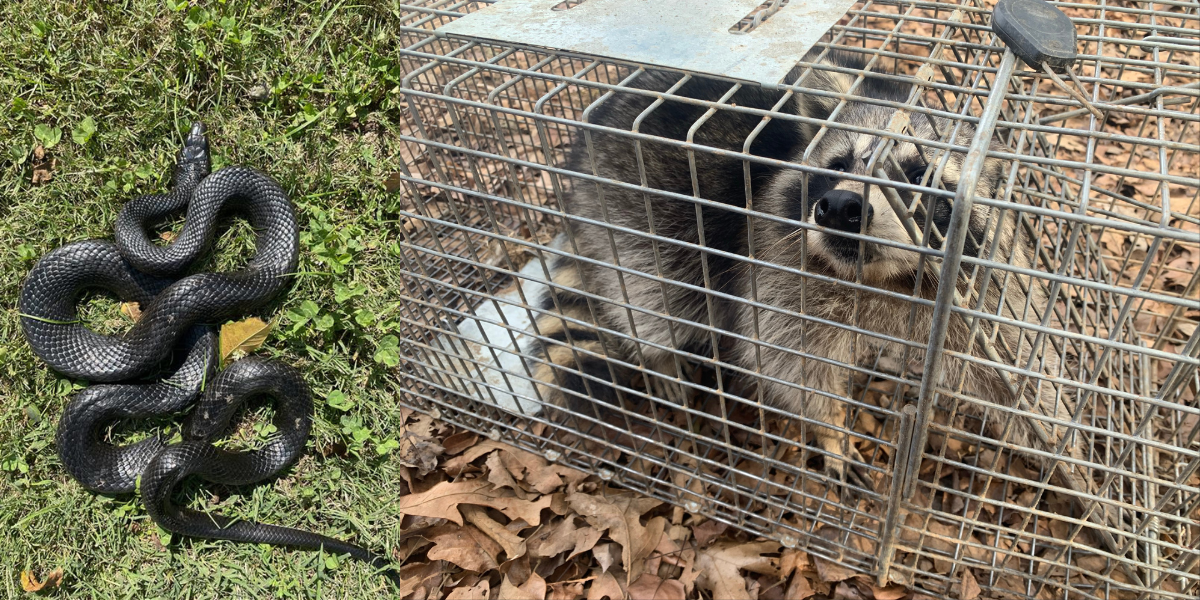
Finding a wild animal inside your home can feel stressful. You may hear scratching above the ceiling or spot a raccoon, snake, bat, or opossum where it doesn’t belong. The safest response is calm, not panic.
This guide answers the question of what to do first, when these issues are likely to arise, and the approach that trained professionals take. It also demonstrates the importance of pest control practices, proactive maintenance, and the assistance of a local Rid-a-Pest to help keep wildlife out of homes and minimize risks.
When Are Wildlife Intrusions Most Common?
A wild animal usually enters for warmth, food, shelter, or nesting. Attics, chimneys, crawl spaces, garages, vents, and wall voids are common hiding spots.
Seasonal Times to Watch
Seasonal changes bring an increase in wildlife activity. Fall pushes animals to safe warm areas, winter forces them inside, and spring throws nesting pressure at them as mothers search for safe places to nest and raise young.
During these periods, pest control inspections can reveal gaps before animals move in and prevent noise, damage, odor, and contamination.
Homes With Higher Risk
Trees, water, gardens, or dense landscaping near the home will result in an additional amount of wildlife activity. Branches touching roofs, unsecured vents, and flimsy soffits may be entry points.
Common attractants include:
- Open trash cans or loose garbage bags
- Pet food left outside
- Birdseed under feeders
- Fallen fruit in the yard
- Uncovered chimneys
If you notice these conditions, searching for animal control near me before trouble starts can help you plan prevention.
Need Professional Pest Control Help?
Protect your home or business with reliable pest control solutions from Rid A Pest. Contact our experts today to schedule an inspection or request a free quote.
Step-by-Step: What to Do When a Wild Animal Gets Inside
First decisions count when a wild animal enters your home. The idea is to keep people and pets safe, but not to make the animal feel cornered.
1. Stay Calm and Look Carefully
Slow step back, and watch. Attempt to determine what animal it is, where it is, and if it is trapped or loose. Do not shout, bang on walls, poke in hiding places, or throw objects. When there is a sudden change of pressure, bites, scratches, or frantic movements may penetrate deeper into the home.
Ask yourself:
- Is the animal in a living space, attic, chimney, wall, or crawl space?
- Does it look sick, injured, or aggressive?
- Is there a clear path outside?
- Are children or pets nearby?
2. Keep Distance and Create Space
Do not touch, corner, or chase the animal. Even small animals can defend themselves when scared, and some may carry rabies, fleas, ticks, mites, bacteria, or parasites.
Move children and pets to another room. Close interior doors if you can do it safely. Keep the area quiet and avoid blocking a possible exit. If the animal is hidden in a tight space, call an animal control service.
3. Offer an Exit When Safe
If the animal is in a room and is healthy, open an outside door or window. Turn on the inside lights, let the outside path be seen, and move away. Once they have a clear path, they will leave, such as birds and squirrels.
If the animal does not leave, or if you are unsure what species it is, wild animal removal from home should be handled by trained help.
4. Avoid DIY Traps and Chemicals
DIY traps, sprays, and poisons often create bigger problems. A poorly placed trap can injure the animal or catch the wrong species. Poison can leave a dead animal hidden in a wall or attic, causing odor and insects.
Safe removal depends on species behavior, nesting status, local rules, and proper tools. Trained wildlife help is the better option when the situation feels uncertain.
Need Professional Pest Control Help?
Protect your home or business with reliable pest control solutions from Rid A Pest. Contact our experts today to schedule an inspection or request a free quote.
The Professional Wildlife Removal Process
A professional visit looks at how the animal entered, what damage occurred, and what repairs are needed to stop repeat activity.
Inspection and Identification
A qualified specialist will look for droppings, trails, nesting material, chewed edges, torn insulation, stains, broken vents and breaches in the roof line. Correct identification is vital as each species needs different handling.
A reliable animal control service will also check for babies before starting removal, especially in spring and early summer.
Humane Removal
Professional wildlife removal services employ strategies depending on the wildlife species and area. These could be live traps, one-way access doors, transfer cages, protective handling, and/or instructions to assist the animal to exit safely.
The goal is safe wild animal removal from the home with as little stress as possible for both the household and the animal.
Entry-Point Sealing
Removal alone does not solve the problem if the opening stays uncovered. Technicians may seal gaps, repair soffits, install chimney caps, replace screens, cover vents, and reinforce weak roofline areas.
This type of exclusion work is one of the most valuable parts of professional wildlife removal services because it fixes the access point.
Cleanup and Sanitization
Wildlife may leave droppings, urine, nesting material, fur, food debris, and odor behind. Cleanup may include removing contaminated insulation, disinfecting affected areas, and treating odors.
Rid a Pest can help homeowners pair safe removal with practical pest control steps that protect the home after the immediate issue is handled.
Need Professional Pest Control Help?
Protect your home or business with reliable pest control solutions from Rid A Pest. Contact our experts today to schedule an inspection or request a free quote.
Tools and Equipment Used by Professionals
Professionals use gear that lowers risk and supports humane handling.
Specialized Tools
Tools may include live traps, one-way doors, exclusion funnels, cameras, ladders, and transfer cages.
Protective Gear and Repair Materials
Protective clothing consists of gloves, respirators, coveralls, eye protection, and hard boots. Repair materials can include hardware cloth, metal flashing, sealants, chimney caps, vent guards, and reinforced screens.
These materials block the weak points that animals often use.
Important Safety Tips for Homeowners
A wild animal may appear peaceful but can change its mood quickly if it feels threatened. Safety first, even if the animal appears young, injured or quiet.
Never Handle Wildlife Yourself
Never pick up or get close to wild animals. Sick animals can bite, and young animals may have a protective mother around them. If the animal does not move away, call wildlife removal professionals.
Watch for Health Risks
Droppings, urine, nesting material, saliva, corpses; avoid. Remove pets from the areas of concern and notify your veterinarian should contact occur.
Possible risks include:
- Rabies exposure
- Fleas, ticks, and mites
- Bacteria and parasites
- Contaminated insulation
Listen for Early Warning Signs
Sounds or smells precede the sighting of a problem in many cases. If they are scratching at dawn, thumping at night, emitting strong smells, producing droppings, tearing insulation, or chewing materials, all of this should be taken care of.
If these signs repeat, searching for animal control near me can connect you with a local inspection before the damage spreads.
Need Professional Pest Control Help?
Protect your home or business with reliable pest control solutions from Rid A Pest. Contact our experts today to schedule an inspection or request a free quote.
Preventing Wildlife From Entering Your Home
Prevention is usually easier and cheaper than removal. A solid exterior, less temptation and routine inspections can make your property less desirable.
Secure the Exterior
Go around and inspect all areas of your home for gaps between the foundation and the roof. Be sure to inspect vents, soffits, fascia boards, chimneys, siding, screens, and utility openings.
Helpful steps include:
- Repair loose siding and shingles
- Install vent covers and chimney caps
- Seal foundation cracks
- Replace broken screens
- Reinforce roofline gaps
This kind of pest control work blocks entry before animals settle in.
Remove Food and Shelter Sources
Secure trash cans, bring pet food inside, clean up outdoor dining places, and pick up fallen fruit. Keep bird feeders away from the home and wipe up spilled seed regularly.
Trim branches away from the roof and keep shrubs from pressing against exterior walls. If you often look up animal control near me after hearing noises, a prevention inspection may save money and stress.
When to Call a Professional
Some animal situations are too dangerous for homeowners to manage. A little help can stop bites, injury, contamination and re-entry.
Call Right Away If You Notice These Signs
Contact professional wildlife removal services if:
- The animal appears sick, injured, or aggressive
- It is inside a wall, attic, chimney, or crawl space
- You hear repeated noises for several days
- You see droppings, nests, or damaged vents
- Babies may be present
- You cannot identify the species
These situations need trained wild animal removal from home, not guesswork.
Choose Local Help Carefully
Look for animal control professionals who practice a humane approach, who discuss entry points, provide exclusion work, and discuss cleanup when looking for animal control near me. A dependable animal control service should be geared to safe outcomes and prevention over the long term.
Final Thoughts
Wildlife inside a home can feel overwhelming, but a steady response protects your family, pets, property, and the animal involved.
A wildlife intrusion does not have to become a disaster. Stay calm, protect children and pets, and avoid risky DIY methods.
The most effective solution is a combination of careful removal, clean up, exclusion work, and prevention. Homeowners can keep their homes safe all year round with the assistance of professional wildlife removal services. Call Rid a Pest today for trusted wild animal removal from your home and guidance.
Frequently Asked Questions
What should I do first ?if a wild animal gets inside my home
Stay calm, stay away from the area, evacuate children and pets, and shut inside doors if safe to do so. Open the obvious exit and step back. If the animal looks sick, aggressive, trapped or is hidden call your local animal control department.
When should I call professional wildlife removal services instead of attempting DIY removal?
If the animal is in an attic, wall, chimney, crawl space or other hard-to-reach area, call skilled aid. Droppings, strong odors, evidence of infants or recurrent noises are also needed.
How does an animal control service handle wild animal removal from a home safely?
A technician inspects the home, determines the species, checks the access locations and selects a humane procedure. Once removed they may propose sealing, repairs & clean up.
What are the common signs that a wild animal may be hiding in my attic or walls?
Signs include scratching, scurrying, thumping, droppings, pungent scents, torn up insulation, chewed wires and damage around vents or roof edges. If the indicators persist, look up animal control near me and book an inspection.
How can pest control and animal control near me help prevent future wildlife intrusions?
Pest control helps by blocking entry points, finding weaknesses, and removing attractants. A local expert can assess your property and make recommendations for repairs and humane prevention before another animal comes in.