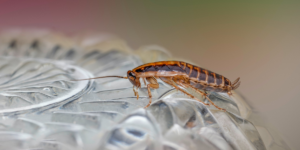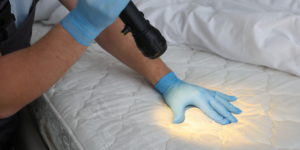
Home pests rarely arrive one at a time. Ants show up near the sink. A scratching sound starts in the attic. Then you notice a soft spot near a window frame and wonder if termites are involved.
That’s usually how it goes. Small signs first. Bigger concerns later.
For Arkansas homeowners, protecting your home takes a full-property approach. General pests, termites, rodents, and wildlife often share the same conditions: moisture, shelter, food, and access. When those conditions are ignored, problems keep coming back.
Rid-a-Pest provides pest control, termite control, animal control, and related services across Northwest Arkansas, including Fayetteville and surrounding communities.
When pest protection matters most
Pest activity changes through the year, but there really isn’t a safe season to ignore your property.
Spring: March to May
Spring is when activity wakes up fast. Termite swarms may appear, ants begin foraging, and insects become easier to spot around kitchens, bathrooms, crawlspaces, and foundation edges.
This is also a smart time to schedule a termite inspection near me search and have a professional check for early warning signs.
Summer: June to August
Summer brings mosquitoes, wasps, flies, roaches, and heavy outdoor insect pressure. Wildlife can be active too, especially around attics, sheds, decks, and crawlspaces.
Heat can make small pest issues feel urgent very fast.
Need Professional Pest Control Help?
Protect your home or business with reliable pest control solutions from Rid A Pest. Contact our experts today to schedule an inspection or request a free quote.
Fall: September to November
As temperatures drop, pests start looking for warmth. Rodents, spiders, stink bugs, and other insects often move toward homes.
Gaps around utility lines, vents, siding, and garage doors become comfortable entry points.
Winter: December to February
Indoor issues become more noticeable as outdoor activity stops. Winter concerns include rodent noises, droppings & overwintering insects.
A winter pest issue often starts months earlier.
Why an all-in-one pest plan works better
Many homeowners treat problems separately. One call for pest control. Another termite treatment. Wildlife only gets attention when something is already in the attic.
That approach can miss the bigger picture.
A damp crawlspace may attract termites, ants, and roaches. A loose roofline can invite squirrels, birds, or bats, while also giving insects a protected path indoors. Pet food left outside can attract rodents, then larger wildlife.
All-in-one plans view the property as a whole. Simply remove active pests, reduce risk factors & close openings that let trouble return.
The professional protection process
Good pest protection follows a clear sequence. Guesswork wastes time.
1. Full property inspection
A technician should inspect the home inside & outside, including:
- Foundation areas
- Crawlspaces
- Attics and rooflines
- Exterior walls
- Door and window gaps
- Utility entry points
- Landscaping and drainage
- Visible pest, termite, or wildlife activity
The inspection should answer two questions: what is happening, and why is it happening here?
2. Identification and risk assessment
Different pests require different methods. Mice and termites have different strategies. Raccoons and wasps are treated differently. Not surface spraying, ant colonies may need treatment.
This step helps determine:
- Pest species
- Infestation level
- Entry points
- Moisture problems
- Food sources
- Structural risk
- Seasonal pressure
For termites, this matters a lot. Pest control termite service should focus on the colony and the conditions supporting activity.
3. Targeted treatment plan
Once the problem is recognized, handle it specifically, instead of a broad application. Modern pest management uses focused zones, careful product placement, baiting systems & prevention.
Rid-a-Pest notes that its services include general pest control, termite treatment and prevention, animal control, ant control, cockroach control, flea control, bed bug treatment, and commercial pest control.
Need Professional Pest Control Help?
Protect your home or business with reliable pest control solutions from Rid A Pest. Contact our experts today to schedule an inspection or request a free quote.
4. Sealing and exclusion work
This is where many DIY efforts fall short.
Pests return if the entrance remains open. Sealing gaps, reinforcing vulnerable locations, screening vents, fixing broken materials, and blocking decks & crawlspaces are exclusions.
For wildlife, exclusion is often the difference between temporary relief and a lasting fix.
5. Monitoring and maintenance
A one-time visit can solve some issues, but ongoing monitoring catches new activity early.
This can include:
- Seasonal exterior treatments
- Termite monitoring
- Rodent control checks
- Entry point reviews
- Moisture observations
- Adjustments as the weather changes
Think of it like home maintenance. The smaller the issue when caught, the easier it is to manage.
Tools and products used in modern pest control
Professional pest control has become much more precise. The best results usually come from combining inspection tools, treatment products, barriers, and monitoring.
| Tool or product | Purpose | Where it helps |
| Moisture meters | Identify damp areas | Crawlspaces, bathrooms, foundations |
| Bait systems | Control pests at the source | Termites, rodents, ants |
| Monitoring stations | Track ongoing activity | Exterior perimeter, crawlspaces |
| Sealants and mesh | Block entry points | Rooflines, vents, utility gaps |
| Low-impact products | Target pests responsibly | Interior and exterior treatment zones |
| Termite barriers | Protect structural areas | Soil, foundation, access points |
The point is not a heavy application. It’s a smart application.
Termites: the silent structural risk
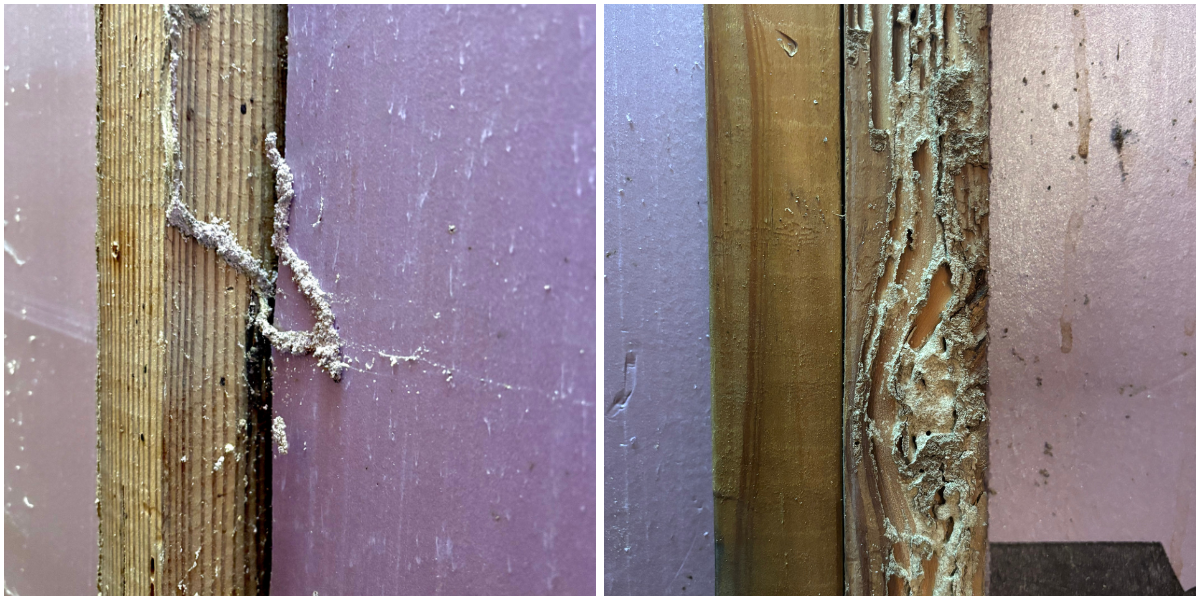
In particular, the attention of the termite is required as the damage may be concealed. Insects on the floor may not be observed. Often, you will see mud tubes, paint that is bubbling, wood that sounds hollow, damage to the trim, or a window sticking.
Professional termite inspections can check crawlspaces, foundation lines, porch posts, garage borders, and moisture-prone locations homeowners ignore.
Depending on the property, termite treatment may include liquid, baiting, or both. Structure, soil, dampness & activity severity decide the best option.
For homeowners comparing options, Rid-a-Pest’s termite control service page is the best place to start: https://ridapestteam.com/termite-control/
Wildlife: the hidden problem upstairs or underneath
Wildlife issues are easy to underestimate. A squirrel in the attic may seem harmless at first. So does a bird nest in a vent.
Then the damage starts.
Wildlife can cause:
- Chewed wiring
- Torn insulation
- Droppings and odors
- Nesting debris
- Roofline damage
- Blocked vents
- Nighttime noise
Common Arkansas wildlife concerns may include squirrels, raccoons, bats, birds, opossums, and skunks.
Safe removal, locating access, making entry repairs, and prevention are all parts of a good wildlife plan. Once the animal is removed, if the access point has not been repaired, the home is vulnerable.
Need Professional Pest Control Help?
Protect your home or business with reliable pest control solutions from Rid A Pest. Contact our experts today to schedule an inspection or request a free quote.
Practical homeowner tips that reduce pest risk
Professional service helps, but daily property habits matter too.
Control moisture
Moisture attracts termites and many insects.
- Repair plumbing leaks quickly
- Keep gutters clear
- Extend downspouts away from the foundation
- Improve crawlspace ventilation where needed
- Watch for standing water near the home
Maintain the yard
Your landscaping can either help or hurt pest prevention.
- Trim bushes away from the siding
- Keep the grass maintained
- Avoid stacking firewood against the house
- Remove leaf piles near the foundation
- Keep mulch below siding level
Seal small openings
Tiny gaps are enough for pests.
Check:
- Door sweeps
- Window screens
- Dryer vents
- Utility lines
- Garage seals
- Crawlspace access doors
- Roofline gaps
Watch early warning signs.
Call for help when you notice:
- Droppings
- Scratching sounds
- Mud tubes
- Chewed wires or materials
- Unusual odors
- Insect wings near windows
- Soft or damaged wood
Waiting usually makes the job harder.
What a true all-in-one solution should include
A complete plan should feel coordinated, not scattered.
Look for:
- General pest control
- Termite inspection and treatment
- Rodent solutions
- Wildlife removal and exclusion
- Preventive recommendations
- Clear communication
- Seasonal adjustments
- Follow-up monitoring
Rid-a-Pest has served Fayetteville and Northwest Arkansas for decades and promotes residential and commercial pest solutions with inspections, treatments, prevention, and customer-focused service.
Key takeaway
Protecting your home works best when pests, termites, and wildlife are handled together. Inspect the full property. Treat the active issue. Seal the access points. Monitor as seasons change.
That’s how small warning signs stay small.
Ready to protect your home? Contact Rid-a-Pest here: https://ridapestteam.com/contact-us-rid-a-pest/
FAQs
How often should I schedule pest control?
Most homes benefit from seasonal pest control. Homes with heavy pest pressure, moisture concerns, wooded surroundings, or previous infestations may need a stronger maintenance plan.
When should I get a termite inspection?
Schedule a termite inspection if you notice mud tubes, soft wood, discarded wings, bubbling paint, or moisture issues. Many homeowners also schedule annual inspections for prevention.
What is the difference between pest control and termite treatment?
General pest control targets insects and pests such as ants, roaches, spiders, fleas, and occasional invaders. Termite treatment focuses on termites and the colony activity that may threaten the structure.
Can wildlife come back after removal?
Yes, if entry points are not sealed. Proper wildlife control should include exclusion work after safe removal.
Who should I contact for pest control termites service in Arkansas?
Arkansas homeowners can contact Rid-a-Pest for termite control, pest control, and related property protection services in Northwest Arkansas.