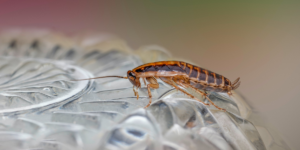
One of the most persistent and unwelcome pests that can invade any home is the cockroach. These resilient insects contaminate food, spread harmful bacteria, trigger allergies, and multiply rapidly, turning a small problem into a full-blown cockroach infestation in just weeks. If you’ve spotted even one roach crawling across your kitchen counter or bathroom floor, there are likely many more hiding out of sight.
Understanding how to get rid of roaches at home isn’t just about comfort, it’s about protecting your family’s health and maintaining a clean, safe living environment. In this guide, you’ll learn everything you need to know about cockroaches, including what causes them, how to identify them, the most effective treatment methods, and long-term prevention strategies backed by expert cockroach control practices.
What Causes Roaches to Enter Your Home?
Roaches don’t appear randomly, they’re attracted to specific conditions that your home may unknowingly provide. Identifying these causes is the first step in eliminating them for good.
Common Reasons Roaches Invade Homes
Cockroaches are primarily drawn to food, water, warmth, and shelter. Crumbs on countertops, unwashed dishes, grease buildup, overflowing trash, and pet food left out overnight all act as strong attractants. Because they thrive in warm, humid environments, kitchens and bathrooms are especially vulnerable.
How Do Roaches Get Inside?
Cockroaches can squeeze through extremely small openings. Common entry points include gaps under doors, torn window screens, cracks in walls or foundations, and openings around plumbing. They can also hitch a ride inside grocery bags, cardboard boxes, or used furniture. Once inside, they hide quickly, making early detection critical.
Signs You Have a Cockroach Infestation
Before you can solve the problem, you need to confirm it. Here are the most common signs of a cockroach infestation:
- Droppings that look like black pepper or coffee grounds in cabinets and under sinks
- A strong, musty or greasy odor that worsens over time
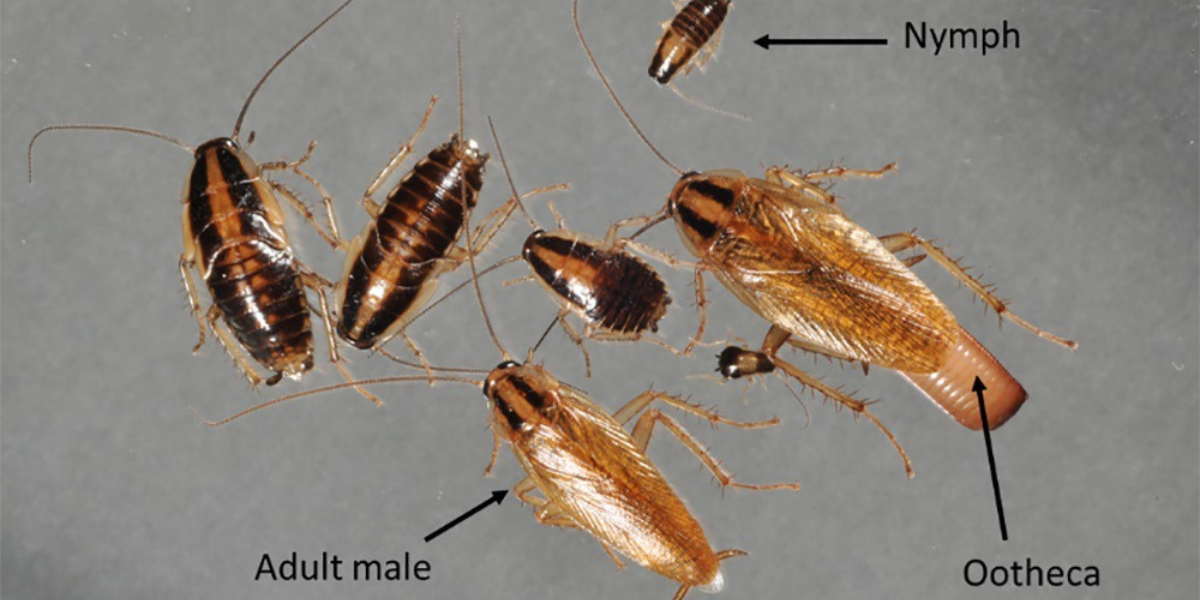
- Egg casings (oothecae) hidden behind appliances or inside cupboards
- Smear marks along damp walls or surfaces
- Seeing live or dead roaches, especially during the day
Daytime sightings are a major red flag. Since cockroaches are nocturnal, this often indicates a large and established infestation.
Types of Roaches You Might Find at Home (Revised for flow & SEO consistency)
Identifying the type of cockroach in your home helps determine the most effective cockroach control strategy.
German Cockroach
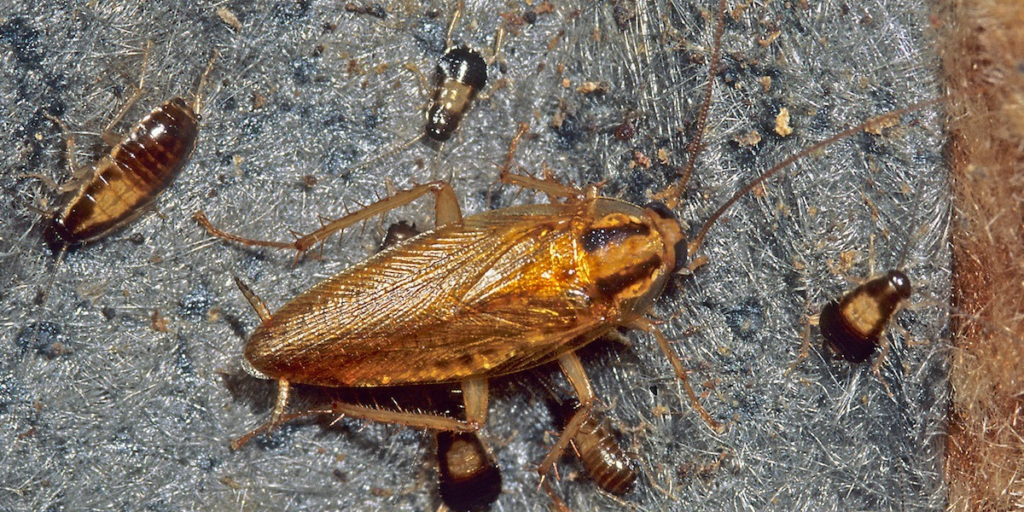
The most common indoor species. Small (1.1–1.6 cm), light brown, with two dark stripes behind the head. Found in kitchens and bathrooms, and known for rapid reproduction, making them especially difficult to eliminate.
American Cockroach
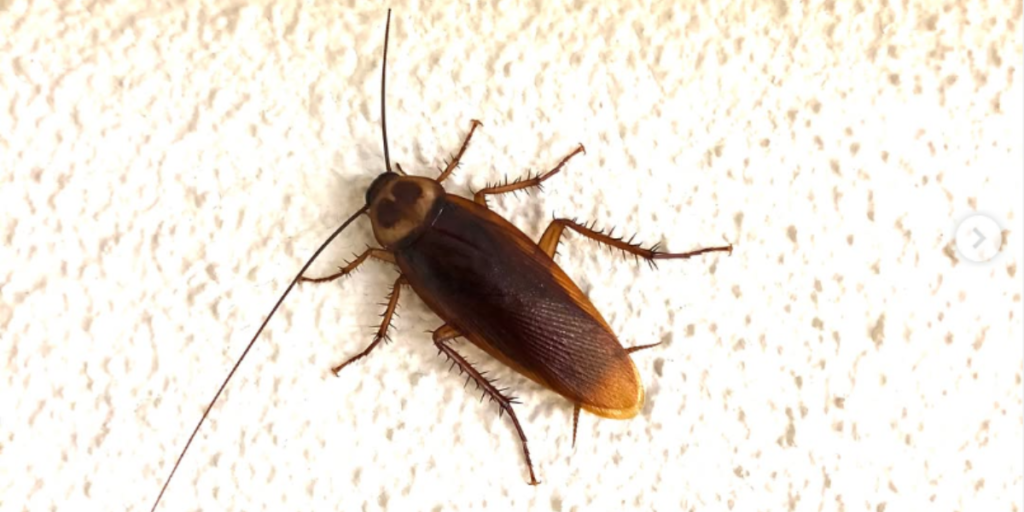
One of the largest species, reaching up to 4 cm. Reddish-brown and typically found in basements, drains, and sewers, but will enter living spaces in search of food.
Oriental Cockroach
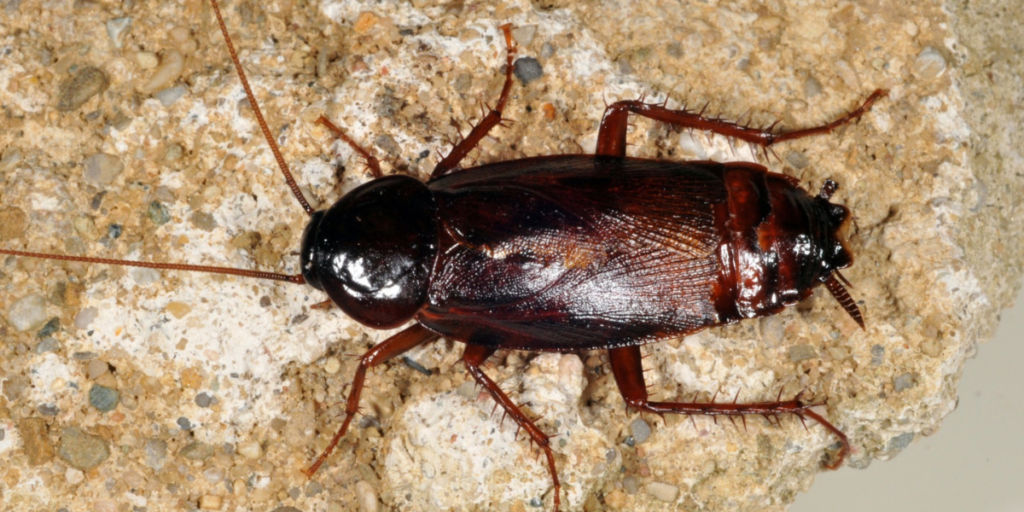
Dark brown to black and about 2.5 cm long. Prefers cool, damp areas like crawl spaces and basements and is often associated with a strong odor.
How to Identify Which Roach Is in Your Home
You can often identify the species based on size, color, and location:
- German cockroaches → kitchens and bathrooms
- American or Oriental cockroaches → basements, drains, or damp areas
If you’re unsure, a pest control professional can accurately identify the species and recommend the most effective treatment plan.
What to Do If You See Roaches in Your Home
Don’t Panic; Take Immediate Action
If you spot a roach, act quickly. Clean the area thoroughly, remove any food sources, seal open containers, and inspect nearby spaces for droppings or egg casings. Keep track of where you’re seeing activity, this helps target treatment effectively.
How Serious Is a Cockroach Infestation?
Cockroaches are more than just a nuisance; they pose real health risks. They carry bacteria like Salmonella and E. coli, contaminate surfaces, and produce allergens that can trigger asthma, especially in children. Even a single roach should be taken seriously due to how quickly infestations grow.
When to Call a Professional Cockroach Control Service
If you’re seeing roaches during the day, finding egg casings regularly, or noticing activity in multiple areas, it’s time to call a professional. DIY methods may help with minor issues, but a widespread cockroach infestation requires expert-level treatment.
How to Get Rid of Roaches at Home Fast: Essential Steps
When you need fast, effective results, knowing how to get rid of roaches at home requires a combination of proven natural remedies and targeted chemical treatments. The key is taking a strategic approach that eliminates both visible cockroaches and those hidden deep inside walls, cabinets, and appliances.
Natural Remedies to Control Roaches
Natural solutions can be highly effective, especially in early-stage infestations or when used alongside other methods:
- Boric acid powder is one of the most reliable options. When applied along baseboards, behind appliances, and inside cabinet corners, it works by damaging the cockroach’s digestive system and outer shell when ingested or contacted, ultimately leading to dehydration and death.
- Diatomaceous earth works by damaging the cockroach exoskeleton, leading to dehydration and death.
- Baking soda and sugar bait attracts cockroaches and eliminates them when consumed due to a chemical reaction in their digestive system.
- Essential oils like peppermint and eucalyptus act as natural repellents when applied near entry points, cracks, and gaps.
Chemical Treatments: Sprays, Gels, and Baits
For more established infestations, chemical treatments provide faster and more comprehensive cockroach control:
- Gel baits placed in crevices, behind appliances, and inside cabinets attract cockroaches and eliminate them at the source.
- Residual sprays create a long-lasting barrier along baseboards, under sinks, and around entry points.
- Insect Growth Regulators (IGRs) stop the cockroach life cycle by preventing eggs from hatching and immature roaches from reaching adulthood.
When used together, these methods represent one of the best ways to get rid of roaches quickly and thoroughly. For severe or recurring problems, Rid-a-Pest can provide a professional cockroach control service with targeted treatments that eliminate infestations and prevent future outbreaks.
Long-Term Prevention Strategies
Eliminating roaches is only part of the solution, preventing their return is just as important. Consistent habits and simple home improvements are key to avoiding another cockroach infestation.
Seal Entry Points
Close off access by sealing cracks in walls, baseboards, and around pipes. Repair damaged window screens and install door sweeps to block entry.
Eliminate Food Sources
Store all food in airtight containers, clean up spills immediately, wash dishes promptly, and take out the trash daily. Never leave food out overnight. Pet food should not be left out overnight.
Control Moisture
Fix leaking faucets and pipes, especially under sinks. Use a dehumidifier in damp areas. Since cockroaches rely on water to survive, reducing moisture removes a major attraction.
How to Get Rid of Roaches in Specific Areas
Targeting problem areas is essential for complete elimination.
From the Kitchen
Clean thoroughly behind and under appliances. Apply gel bait in cabinet hinges and under the refrigerator. Flush drains weekly with vinegar and baking soda, and avoid leaving dirty dishes overnight.
From the Bathroom
Repair leaks immediately and reduce humidity with proper ventilation. Apply boric acid near the toilet base and under sinks, and seal gaps around plumbing.
From Drains and Walls
Roaches inside walls often require professional treatment, as bait and insecticide dust must be applied inside wall voids. For drains, use covers overnight and enzyme cleaners to break down buildup.
From Apartments
Cockroaches can travel through shared walls, pipes, and wiring. Work with property management for building-wide treatment while keeping your unit clean and sealing all shared entry points.
How to Get Rid of Roaches: DIY vs. Professional Treatment
DIY Methods
Common do-it-yourself solutions include traps, boric acid, diatomaceous earth, gel baits, and store-bought sprays. These can help manage small, isolated infestations when applied consistently.
Why DIY Often Falls Short
Most homeowners only treat visible areas, while cockroaches nest deep inside walls, flooring, and appliances. Surface treatments may reduce numbers temporarily but rarely eliminate the source. Over time, cockroaches can also develop resistance to certain over-the-counter products.
Benefits of Professional Cockroach Control
Professional services provide a comprehensive approach. Experts identify the species, locate hidden infestation areas, and apply targeted treatments using products not available to the public. They also create a long-term plan to break the breeding cycle and schedule follow-ups to ensure complete elimination.
The result is faster, more reliable, and longer-lasting than DIY methods.
How to Keep Roaches Out of Your House
Daily Habits That Prevent Cockroach Infestations
Prevention is the most effective and cost-efficient strategy:
- Take out trash daily
- Sweep and clean floors after meals
- Wipe down kitchen surfaces each night
- Inspect grocery bags, boxes, and used furniture before bringing them inside
- Regularly deep clean behind appliances
- Monitor for moisture buildup under sinks
For homeowners seeking consistent, year-round protection, a professional prevention plan is the most reliable option. We specialize in detailed inspections, targeted treatments, and ongoing maintenance programs designed to keep your home free of cockroaches.
Proactive cockroach control not only prevents infestations but also saves time, money, and stress. Whether you’re learning how to get rid of roaches at home yourself or need expert help, scheduling a consultation with Rid-a-Pest is the first step toward a cleaner, healthier home.
Frequently Asked Questions (FAQs)
Q1: What is the best way to get rid of roaches permanently?
The best way to get rid of roaches permanently is to combine immediate treatment with consistent prevention. This includes eliminating food and moisture sources, sealing entry points, using effective bait systems, and maintaining regular cockroach control inspections.
Q2: Can cockroaches come back after treatment?
Yes, cockroaches can return if prevention measures are not maintained. Long-term success requires ongoing sanitation, exclusion, and monitoring to prevent reinfestation.
Q3: Are cockroaches dangerous to health?
Yes. Cockroaches spread bacteria such as Salmonella, Listeria, and E. coli. They also trigger allergies and asthma through their droppings and shed skin, making them a serious health concern.
Q4: What smells keep cockroaches away?
Strong scents like peppermint, eucalyptus, lavender, cedarwood, and bay leaves can help repel cockroaches. However, these should be used as supplemental deterrents, not primary treatment methods.
Q5: How do I know if my cockroach infestation is serious?
If you see roaches during the day, find multiple egg casings, notice a strong odor, or observe activity in multiple rooms, the infestation is likely advanced and requires professional intervention.