There is nothing quite like an Arkansas summer evening. Whether you are grilling in the backyard, relaxing near one of our beautiful lakes, or just enjoying the sunset, our region is spectacular this time of year until the buzzing starts.
If it feels like you cannot step outside for five minutes without becoming a mosquito buffet, it isn’t just your imagination. Arkansas summers provide many of the warm, humid, and water-rich conditions mosquitoes need to reproduce and stay active.
But why are they quite so relentless here compared to other regions? It comes down to a perfect storm of geography, humidity, and the unique weather patterns of our state. Understanding why mosquitoes in Arkansas become so active during summer can help homeowners reduce breeding sites, prevent bites, and decide when professional mosquito control may be useful.
Rainfall and Standing Water Create Mosquito Breeding Sites
If you look out at your yard, you will probably notice how incredibly green everything is for this time of year. Usually, Arkansas summers are marked by dry spells, low rainfall totals, and mid-summer burn bans that can put a damper on Fourth of July celebrations. Instead of drying out, a steady wave of summer storms has brought significant precipitation across the region.
While the lack of burn bans means excellent conditions for backyard getaways, it also creates ideal conditions for mosquitoes to breed and remain active. Arkansas already averages over 50 inches of rainfall in a normal year. When you pile unseasonably heavy summer storms on top of that, our clay-heavy soils quickly become oversaturated. Water pools in lawns, ditches, and woodlands instead of absorbing cleanly into the ground. A female mosquito only needs a microscopic film of standing water, literally the amount held by a bottle cap, to lay a batch of up to 300 eggs at a time. Every unemptied flower pot or puddle has become a massive, invisible nursery.
1. The Humidity Engine: Perfect Brooding Temperatures
Mosquitoes are cold-blooded insects. They rely entirely on external ambient temperatures to regulate their energy and lifecycles.
When Arkansas temperatures consistently hover between the mid-80s and high 90s, a mosquito’s metabolic rate skyrockets. In cooler spring weather, it can take up to two weeks for a mosquito egg to develop into a biting adult. During peak summer humidity, that timeline shrinks dramatically. Under favorable warm-weather conditions, some common mosquitoes can develop from egg to adult in roughly 7 to 10 days, allowing populations to increase quickly after rainfall. This faster life cycle can contribute to noticeable increases in mosquito activity after warm, wet weather.
2. Ozark Geography: The Perfect Protected Microclimates
While much is made of the delta rice fields, the unique geography of the Ozarks provides an even more sophisticated breeding ground. Our landscape is defined by rugged limestone bluffs and dense hardwood forests that create deeply shaded, humid hollows.
These hollows act as natural windbreaks and insulation, maintaining consistent moisture levels even during heat waves. Within these protected microclimates, countless spring-fed creeks and rocky catchments provide permanent water sources. Because mosquitoes are notoriously weak fliers, these shaded forest margins right next to Ozark homes allow populations to thrive undisturbed by the sun, waiting for the perfect moment to drift from the cool hardwood canopy onto your patio.
3. Ozark Landscapes Provide Shaded Resting Areas
Northwest Arkansas has wooded neighborhoods, dense vegetation, shaded yards, drainage areas, and low-lying spaces that can retain moisture after rainfall. These conditions can provide mosquitoes with protected areas where they can rest during hotter portions of the day.
Temporary pools, clogged drainage areas, tree holes, containers, and other small collections of stagnant water can provide mosquito breeding habitat. Dense shrubs and shaded vegetation can also give adult mosquitoes protected resting areas close to homes, patios, and other outdoor living spaces.
4. Asian Tiger Mosquitoes Can Bite During the Day
Arkansas is home to numerous mosquito species with different feeding patterns. One particularly noticeable backyard pest is Aedes albopictus, commonly known as the Asian tiger mosquito.
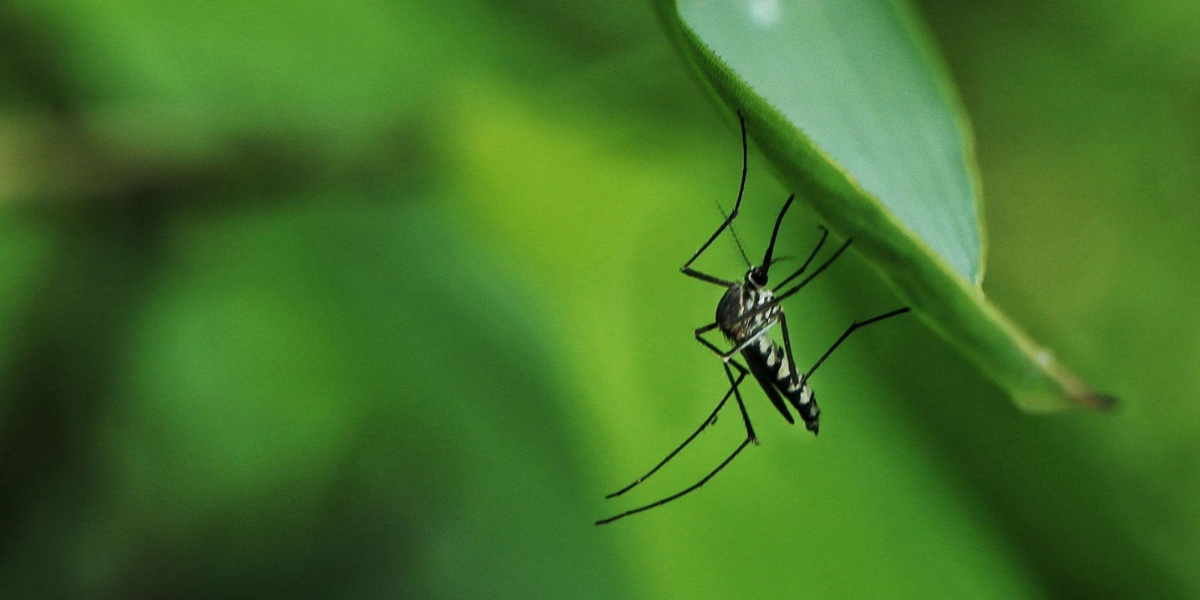
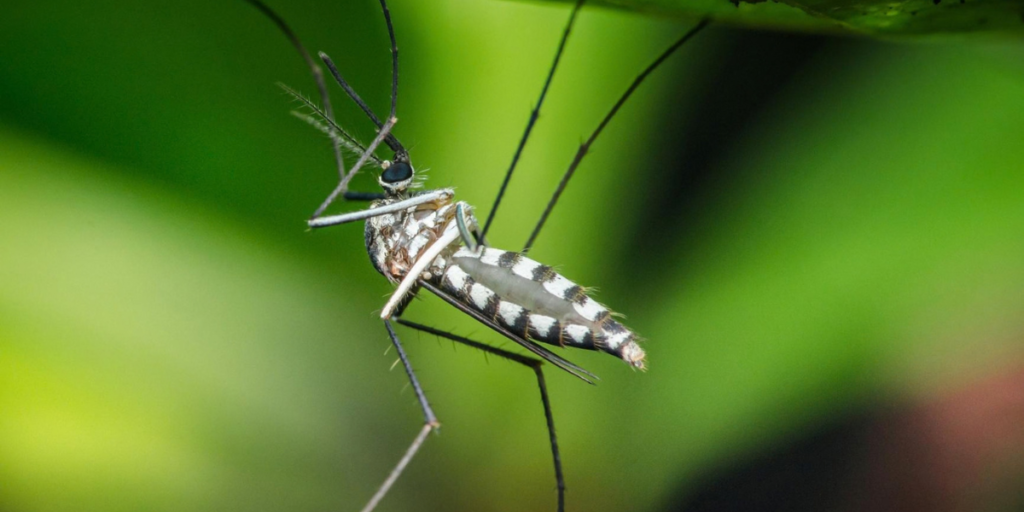
Asian tiger mosquitoes are recognizable by their distinctive black-and-white markings and can bite during daylight hours. Because of this behavior, homeowners may notice mosquito activity during the day as well as during periods when other mosquito species become more active.
How to Reduce Mosquitoes Around Your Arkansas Home
Because mosquitoes breed so rapidly in our climate, reducing mosquito activity usually starts with eliminating breeding sites and reducing the shaded areas where adult mosquitoes rest. Homeowners can actively push back by following a strict “Tip and Toss” routine:
- Dump the hidden water: Empty birdbaths, plant saucers, toy buckets, and pet bowls every three days to destroy developing larvae.
- Clear the canopy: Keep your lawn mowed and shrubs trimmed. Adult mosquitoes spend the blazing heat of the afternoon resting on the undersides of dense foliage; removing their shaded harborages naturally lowers your property’s capacity to hold them.
- Clean out your gutters: Ensure gutters are free of leaf litter and debris, as trapped organic matter creates perfect, often overlooked, holding areas for standing water.
When DIY Mosquito Prevention Isn’t Enough
Even with regular yard maintenance, mosquitoes can remain a persistent problem during an Arkansas summer. Eliminating standing water and keeping vegetation trimmed can reduce breeding and resting areas, but these steps may not be enough when mosquito populations are already established around your property.
Mosquitoes can hide in shaded landscaping, wooded areas, shrubs, and other protected locations that are difficult to treat with ordinary household products. If you are still dealing with frequent mosquito bites despite removing standing water and maintaining your yard, professional mosquito and tick control may provide another way to reduce pest activity around outdoor living areas.
| Situation | DIY Prevention | When Professional Control May Help |
|---|---|---|
| Standing water | Empty containers, clean gutters, and improve drainage. | A professional can inspect for overlooked or difficult-to-access mosquito activity areas. |
| Dense shrubs and shaded landscaping | Trim vegetation and maintain the yard regularly. | Targeted exterior treatment may help reduce mosquitoes resting in vegetation. |
| Occasional mosquito activity | Use prevention measures and personal mosquito repellent when needed. | Professional treatment may not be necessary if activity remains limited. |
| Frequent bites despite prevention | Recheck the property for standing water and hidden resting areas. | Consider a professional inspection and treatment plan based on the property. |
Professional Mosquito Control in Northwest Arkansas
Professional mosquito treatment focuses on areas where mosquitoes rest, breed, and remain active around your property. As part of a broader residential pest control strategy, a trained professional can identify potential mosquito hotspots and recommend treatment based on landscaping, moisture, and surrounding conditions.
Exterior mosquito treatments can help reduce active mosquito populations around patios, lawns, shrubs, and other outdoor areas where people spend time. Regular treatments during periods of high mosquito activity can also provide continued protection throughout the season.
For Arkansas homeowners who want to enjoy their yards without constantly dealing with mosquitoes, professional mosquito control can be a practical addition to regular prevention efforts.
When Should You Get Mosquito Treatment?
The best time to consider mosquito treatment is when mosquito activity begins increasing and continues to interfere with your outdoor activities. In Arkansas, warm temperatures, humidity, and frequent rainfall can create favorable conditions for mosquitoes throughout the summer.
If mosquitoes are consistently present around your property, you are finding standing water that is difficult to eliminate, or your family is getting frequent bites, professional treatment may be worth considering.
Starting treatment early in the season can also help reduce mosquito populations before they become a larger problem. Combined with removing standing water and maintaining your landscaping, professional mosquito control can make outdoor spaces much more comfortable during the warmer months.
Enjoy Your Arkansas Summer Without the Constant Buzz
Arkansas summers offer plenty of reasons to spend time outdoors, but mosquitoes should not have to ruin the experience. Heavy rainfall, warm temperatures, humidity, shaded landscapes, and standing water can create ideal conditions for mosquito populations to grow quickly.
Simple steps such as removing standing water, maintaining your landscaping, and cleaning your gutters can make a difference. When mosquito activity remains persistent despite your efforts, professional mosquito control can provide an additional layer of protection.
If mosquitoes are making it difficult to enjoy your yard, Rid-a-Pest can help. Explore our mosquito control services or contact our Northwest Arkansas pest control team to request an estimate.
Frequently Asked Questions
Why are mosquitoes so bad in Arkansas during summer?
Arkansas summers provide several conditions mosquitoes need to thrive, including warm temperatures, humidity, rainfall, and standing water. These conditions allow mosquitoes to reproduce quickly and remain active throughout the season.
How can I reduce mosquitoes in my backyard?
Start by removing standing water from birdbaths, plant saucers, buckets, toys, gutters, and other containers. Keeping grass and shrubs trimmed can also reduce places where adult mosquitoes rest during the day.
How often should mosquito control be performed?
The appropriate treatment schedule depends on mosquito activity, weather conditions, property characteristics, and the type of treatment being used. A pest control professional can recommend a schedule based on your specific property.
Do mosquitoes only come out at night?
No. While some mosquito species are most active around dawn and dusk, species such as the Asian tiger mosquito can remain active during the daytime, particularly in shaded areas.
Can professional mosquito control help with a severe mosquito problem?
Professional mosquito treatments can help reduce mosquito populations around residential properties by targeting areas where mosquitoes rest and are active. Ongoing prevention and eliminating standing water are also important for long-term mosquito management.