There is nothing quite like summer in Northwest Arkansas. Between hiking the scenic trails at Kessler Mountain in Fayetteville, taking the dogs to J.B. Hunt Park in Springdale, or exploring the singletrack loops along the Razorback Greenway, our region is an outdoor paradise.
But if you’ve noticed more uninvited hitchhikers on your clothes or your pets lately, you aren’t alone.
Warm, humid summer conditions can support flea activity, while ticks are commonly encountered in grassy, brushy, and wooded areas across Northwest Arkansas. Pet owners, hikers, and homeowners should use consistent prevention steps throughout the warmer months.
To help protect your family and your four-legged friends, let’s break down the local flea and tick risks and look at how to keep these biting pests out of your home.
“Effective flea and tick control in Northwest Arkansas combines veterinarian-approved protection for pets, regular tick checks, yard maintenance, indoor cleaning, and targeted professional treatment when activity continues. Fleas often require coordinated pet, home, and outdoor treatment, while tick prevention focuses on reducing brushy habitat and checking people and pets after outdoor activity.”
- Lone Star tick: Can transmit ehrlichiosis and tularemia. Its bite may also trigger alpha-gal syndrome in some people.
- Blacklegged tick: Can transmit Lyme disease, anaplasmosis, and babesiosis. Arkansas is considered a low-incidence state for Lyme disease, and risk varies by location.
- American dog tick: Can transmit spotted fever rickettsiosis, including Rocky Mountain spotted fever, and tularemia.
Tick identification does not confirm that a tick carries disease. Anyone who develops fever, rash, headache, or other symptoms after a tick bite should contact a healthcare professional.
Knowing the Enemy: Common Ticks found in Fayetteville and Springdale
Arkansas is home to several distinct tick species, but during the peak of summer, you are most likely to encounter three specific types while out in the yard or on the trails. Knowing what they look like can help you evaluate the risk of tick-borne illnesses:
| Tick Species | Visual Identification | Common Local Habitats | Risk Factors |
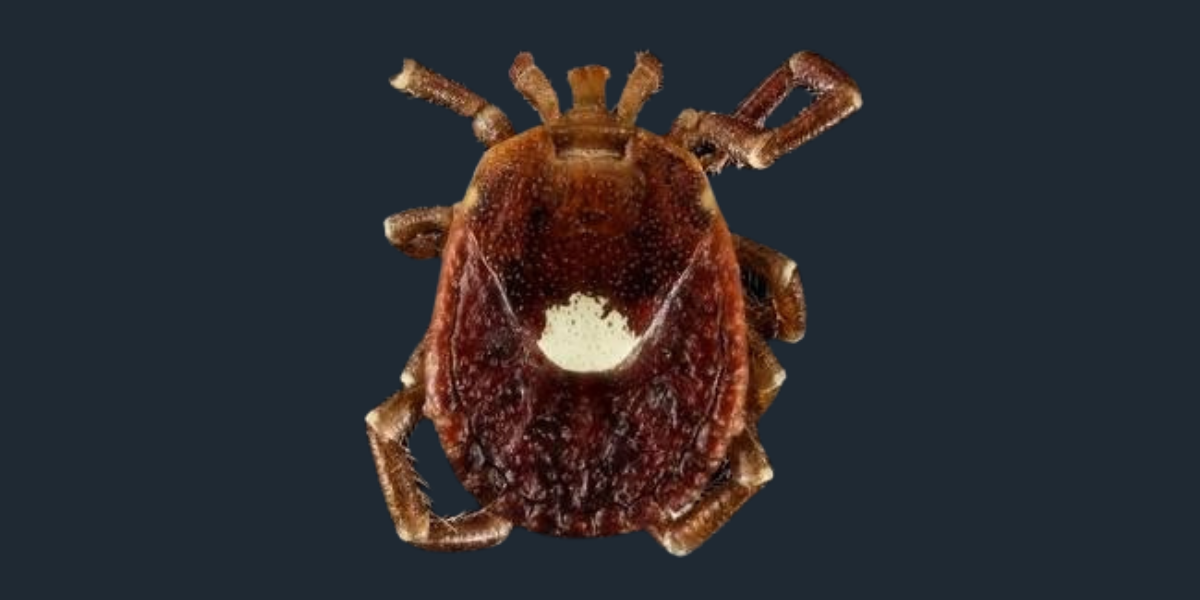
| Lone Star Tick | Easily identified by a bright, solitary white dot right in the center of the female’s back. | Overgrown brush, dense Ozark woodlands, and backyard perimeters. | Known to transmit Alpha-gal syndrome (which can trigger a severe red meat allergy). |
| Blacklegged (Deer) Tick | Notably smaller than other ticks, featuring a dark shield on a reddish-orange body. | High grass, fallen leaf piles, and wooded trail edges like those at Lake Fayetteville. | The primary carrier of Lyme disease in the United States. |
| American Dog Tick | Larger body size with distinct, ornate silver or gray markings across its back. | Open grassy fields, roadsides, and neighborhood walking paths in Springdale. | Can transmit Rocky Mountain spotted fever to humans and pets. |
The identification and disease-risk information above aligns with CDC guidance on Lone Star, blacklegged, and American dog ticks.
Why One Flea Treatment Is Often Not Enough
| Comparison | DIY Flea & Tick Control | Professional Flea & Tick Treatment |
|---|---|---|
| Kills Adult Fleas | Depends on the product and correct use | Treatment is selected for the infestation and property |
| Addresses eggs and larvae | Often requires cleaning and repeated treatment | May include products and follow-up steps targeting immature stages |
| Outdoor yard protection | Limited to correctly labeled products and treated areas | Targets shaded areas and pet activity zones when outdoor treatment is appropriate |
| Long-term prevention | Requires consistent pet, home, and yard prevention | May include follow-up and prevention recommendations |
While ticks are typically a threat you bring home from the woods, fleas are a threat that establishes a permanent residency inside your living room.
Many homeowners believe that if they treat their dog or cat with a monthly flea treatment or preventative, their home is entirely safe from fleas. Unfortunately, during a high-humidity summer like this one, wild animals like squirrels, raccoons, and feral cats drop flea eggs directly into your lawn. From there, fleas can hop right onto your shoes, pants, or your pet’s fur during a quick trip outside to play.
Need Professional Pest Control Help?
Protect your home or business with reliable pest control solutions from Rid A Pest. Contact our experts today to schedule an inspection or request a free quote.
Pet Safety Note: For flea treatment for dogs or flea treatment for cats, use only products labeled for that species and follow your veterinarian’s guidance. Never apply a dog-only flea product to a cat.
Once a single breeding pair of fleas makes it past your doorway, an invisible clock starts ticking. A single female flea can lay up to 50 eggs every single day.
Those eggs don’t stay on your pet; they slide out of the fur and fall deep into your rugs, carpet fibers, hardwood floor cracks, and pet bedding. Within days, those eggs hatch into larvae, spin cocoons, and wait to emerge as hungry adults.
This multi-stage lifecycle is why a single quick treatment may not eliminate an established infestation. Some flea stages are harder to control, and successful flea treatment often requires coordinated pet care, cleaning, home or yard treatment when appropriate, and follow-up according to product labels and professional guidance.
This multi-stage lifecycle is exactly why retail flea collars or quick-fix bug bombs fail. They might kill the adult fleas jumping around today, but they completely miss the thousands of microscopic eggs and pupae waiting to hatch next week.
A Practical Prevention Checklist for Washington County Homeowners
Key Takeaway
Consistent yard maintenance, monthly pet flea prevention, routine tick inspections, and professional flea and tick treatments work together to reduce infestations before they spread inside your home.
You don’t have to lock yourself indoors until autumn to avoid these pests. Implementing a proactive flea and tick control strategy in your yard and home will significantly lower your risk of an infestation:
- Create a Clean Perimeter: Keep grass mowed, remove leaf litter, and clear tall grass and brush around the home and lawn edges. Trimming shrubs and branches can increase sunlight and reduce shaded tick habitat.
- Add a barrier : Where lawns meet wooded or brushy areas, a three-foot barrier of wood chips or gravel can help reduce contact with tick habitat.
- Inspect after outdoor activity : Check clothing, gear, children, and pets after time in grassy, brushy, or wooded areas. Follow veterinarian guidance for pet tick prevention.
- Handle clothing and bedding correctly : For ticks on dry clothing, CDC recommends tumble drying on high heat for 10 minutes; damp clothing may need longer. Wash pet bedding regularly with soap and water as part of flea prevention.
Need Professional Pest Control Help?
Protect your home or business with reliable pest control solutions from Rid A Pest. Contact our experts today to schedule an inspection or request a free quote.
Breaking the Cycle with Professional Pest Control
When fleas and ticks take over a yard or a home, treating the symptoms simply isn’t enough. True eradication requires breaking the reproductive cycle directly at the source.
Professional yard treatments target the specific shaded perimeter zones where ticks wait for a host to pass by. Indoors, professional flea control utilizes specialized growth regulators that prevent flea eggs and larvae from ever developing into biting, reproducing adults.
1
Inspect Your Property
Identify shaded areas, tall grass, pet resting spots, and locations where fleas and ticks are most active.
2
Treat Pets and Home
Use veterinarian-approved flea treatments while addressing carpets, furniture, and pet bedding.
3
Protect Your Yard
Professional outdoor treatments reduce flea and tick populations before they reach your family or pets.
CDC guidance notes that effective flea control may require simultaneous pet, home, and outdoor treatment, followed by additional treatments to disrupt the flea lifecycle.
If you are tired of checking your ankles every time you walk across your living room or worrying about your pets after a weekend hike, a targeted flea and tick plan can give you total peace of mind.
50+
Eggs a female flea can lay every day
3
Common tick species found across Northwest Arkansas
Choose the Best Flea and Tick Control for Your NWA Property
The best flea and tick control plan should match the pest activity, the affected indoor and outdoor areas, and the needs of your family and pets. Rid-a-Pest provides flea control and tick treatment options for homes across Northwest Arkansas, with inspections and treatment plans based on the property. Continue veterinarian-approved flea treatment for dogs and flea treatment for cats while following all preparation and reentry instructions provided for the pest-control service.
Need Professional Pest Control Help?
Protect your home or business with reliable pest control solutions from Rid A Pest. Contact our experts today to schedule an inspection or request a free quote.
Choose the Best Flea and Tick Control for Your Property
If flea and tick activity is affecting your home, yard, or pets, consider a professional inspection and a targeted treatment plan. The best pet-safe pest control approach should address active pests, hidden lifecycle stages, and the outdoor areas where reinfestation begins.
Contact a local pest control professional to discuss a flea treatment and tick treatment plan for your Washington County property.
Protect Your Home, Family, and Pets Today
Stop flea and tick infestations before they spread. Schedule a professional inspection and enjoy your yard with confidence this summer.
FAQ SECTION
1. Why is flea and tick activity higher during summer in Northwest Arkansas?
Warm temperatures, high humidity, and frequent rainfall create ideal breeding conditions for fleas and ticks. Tall grass, wooded trails, and shaded yards around Fayetteville and Springdale also provide excellent habitats, making flea and tick activity much higher during summer.
2. What is the best flea and tick control method for my yard?
The best flea and tick control combines regular lawn maintenance, trimming vegetation, treating pets with veterinarian-approved preventatives, and professional yard treatments that target adult pests as well as eggs and larvae.
3. How often should dogs receive flea treatment?
The schedule depends on the product, the dog’s age and weight, and veterinarian guidance. Follow the product label exactly and ask your veterinarian which flea treatment for dogs is appropriate.
4. Is flea treatment for cats different from flea treatment for dogs?
Yes. Flea treatment for cats is specifically formulated for cats. Never use a dog flea product on a cat because some ingredients that are safe for dogs can be toxic to cats.
5. When should I schedule a professional tick treatment?
Consider an inspection when ticks are repeatedly found on people or pets, when the yard borders wooded or brushy habitat, or when routine prevention has not reduced activity. The treatment schedule should follow the product label and the professional’s site-specific plan.
6. Can fleas survive inside my home after treating my pets?
Yes. Even after treating your pets, flea eggs, larvae, and pupae can remain hidden in carpets, furniture, cracks, and pet bedding. Professional flea treatment targets every stage of the flea life cycle to help prevent reinfestation.
7. What is the best pet safe pest control approach for fleas and ticks?
The best pet safe pest control approach uses products labeled for the intended area and species, follows all label directions and reentry instructions, and coordinates professional pest treatment with veterinarian-approved pet prevention. Never apply a dog-only product to a cat.