Imagine waking up one morning to find that silent invaders have been secretly eating away at your home for years. No noise, no drama, just termite damage slowly destroying everything you worked hard for.
Did You Know? Every year, termites damage more than $5 billion worth of property in the U.S., and most homeowners don’t find out until it’s too late.
The good news? A simple termite inspection can help you catch the problem early before it turns into a financial nightmare. In this guide, you’ll get a complete checklist on how to spot termites early, understand termite signs, and learn when to call in professional termite control services.
Let’s make sure your home stays protected.
What is a Termite Inspection and Why Does It Matter?
A Termite inspection is a thorough check of your home by a trained pest professional. They look for active termites, old damage, moisture problems, and entry points. Here’s what’s typically covered:
- Examination of crawl spaces, and basement
- Inspection of wood structures, walls, and foundation
- Identification of moisture sources that attract termites
- A written report with findings and recommended next steps
Understanding Termite Behavior and Risks
What attracts termites to your home?
Termites love three things: wood, moisture, and warmth. Common attractants include:
- Damp soil near the foundation
- Wood mulch close to your home
- Leaky pipes or poor drainage
- Wooden decks or fences touching the ground
- Cracks in your home’s foundation
Addressing these factors is the first step in long-term termite control.
How fast can termites cause damage?
There can be up to 1 million termites in a single colony. At that size, they can cause significant termite damage in as little as 3 to 5 years. Some aggressive species can weaken structural wood even faster.
Fun Fact: Termites never sleep. They work 24 hours a day, 7 days a week. That’s why catching them early with a termite inspection is so important.
Common areas where termites infest homes
Termites tend to hide in places you don’t check often. Watch out for:
- Crawl spaces and basement walls
- Around window and door frames
- Wooden beams and floor joists
- Behind drywall and wall panelling
- Near plumbing and HVAC systems
Why Termite Inspections Are Critical for Homeowners
Can termites go unnoticed for years?
Absolutely. Termites are called “silent destroyers” for a reason. They eat wood from the inside out, so the surface often looks fine while the structure beneath collapses. Many homeowners only find out about termites during a home sale, which is the worst time to discover a problem.
That’s why routine Termite assessment is so important. Don’t wait for visible signs; be proactive.
The real cost of ignoring Termite assessment
Skipping a Termite assessment might feel like saving money, but it often leads to massive termite damage costs. Repairs for severe infestations can easily run $5,000 to $10,000 or more, depending on how deep the damage goes.
Compare that to the low cost of a Termite assessment, and the choice becomes very clear.
How regular Termite check saves money
Scheduling a Termite assessment at least once a year helps you stay ahead of infestations. Early-stage treatments are much cheaper and far less disruptive than full-scale termite control for a major infestation.
Termite Inspection Checklist: How to Spot Termites Early
Here are the top warning signs you should check for yourself. If you spot any of these, it’s time to call for a professional termite assessment right away.
No 1: Are there mud tubes on the walls or foundation?
Mud tubes look like thin pencil-sized tunnels running along your walls or foundation. Subterranean termites build these to travel safely between their nest and food source. If you see mud tubes, that’s a sure sign that termites are active.
No 2: Do you see discarded wings near windows or doors?
When termites swarm, they are naturally attracted to light, which is why homeowners often find discarded wings near windows, doors, and light fixtures. Small piles of wings on windowsills, door frames, or around other natural light sources are often one of the first visible signs that termites may be nearby.
No 3: Is the wood hollow or damaged when tapped?
Tap on wood surfaces in your home. If they sound hollow or feel soft, termite damage may be eating them from the inside. This is one of the easiest self-checks you can do at home.
No 4: Are there cracks or bubbling paint on walls?
Bubbling, peeling, or uneven paint can indicate termite activity beneath the surface. Termites produce moisture as they eat, which causes paint to warp or bubble. Don’t ignore this sign.
No 5: Do you hear clicking sounds inside the walls?
When soldier termites sense danger, they bang their heads against wood to warn the rest of the colony. If you press your ear to the wall and hear a faint clicking sound, it might not just be the house settling.
Quick Tip: Use a flashlight and screwdriver to tap and probe wooden surfaces in your basement or crawl space at least twice a year.
Visible Signs of Termite Damage You Should Never Ignore
No 1: Damaged wood structures and furniture
Visible termite damage on wooden beams, furniture, or flooring is a serious red flag. Look for wood that appears crumbled, grooved, or has a honeycomb interior pattern.
No 2: Buckling floors or sagging ceilings
Sagging floors and ceilings can signal that termites have weakened the structural wood underneath. This kind of damage needs immediate attention from termite control services.
No 3: Tight-fitting doors and windows
Doors and windows that suddenly feel stiff or hard to open could be a sign of termite damage. Termites produce moisture as they eat, which warps wood frames.
DIY vs Professional Termite Inspection
You can do a basic walkthrough to look for obvious signs, but there’s a big difference between a DIY check and a professional inspection:
- DIY checks are quick and free, but they often miss hidden infestations
- Professionals use special tools like thermal imaging and moisture meters.
- A certified inspector knows exactly where termites hide
- Professional reports are often required for home sales
For peace of mind and accuracy, hiring experienced termite control services is always the smarter choice.
Benefits of Hiring Termite Control Services in NWA
Working with local pest control services in NWA gives you several advantages:
- Local experts understand the specific termite species common in your area
- Faster response times when you need emergency treatment
- Customized treatment plans based on your home’s needs
- Ongoing monitoring programs to prevent future infestations
- Access to professional-grade treatments not available to the public
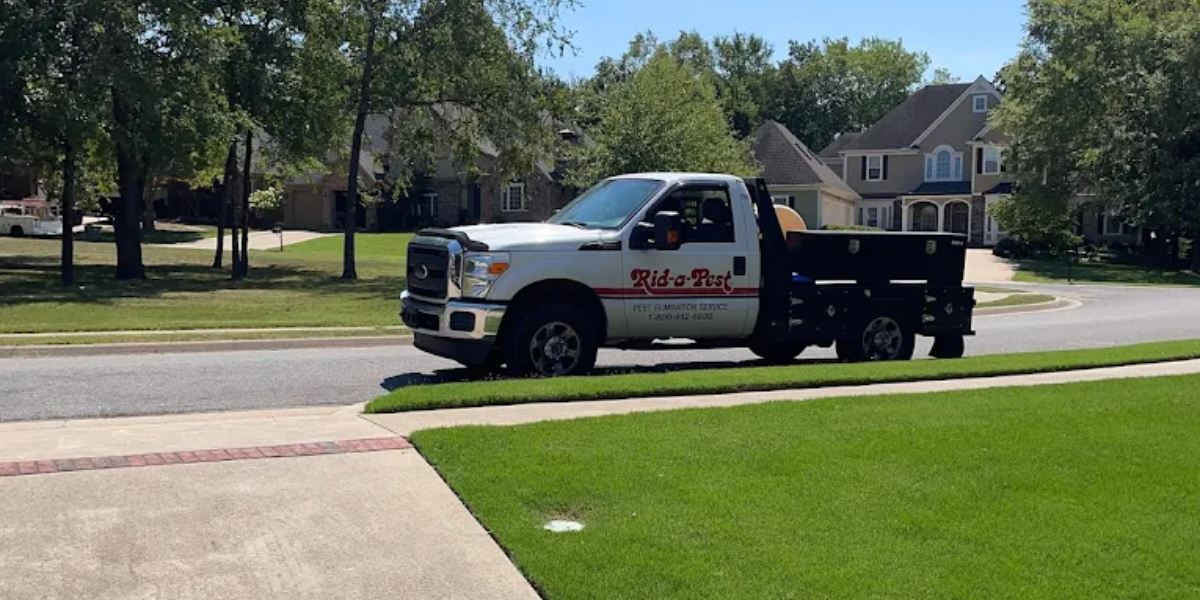
Choosing a trusted local company like Rid a Pest ensures your home gets the expert care it deserves.
When to Hire Professional Termite Control
Signs that require immediate expert help
Call for professional termite control right away if you notice:
- Active mud tubes or swarming termites
- Visible structural damage to beams or flooring
- Frass or discarded wings in multiple areas of the home
- Your home has not had a termite check in over a year
How termite control services eliminate infestations
Professional termite control services use several proven methods, including liquid soil treatments, bait station systems, and wood treatments for severe cases. The right method depends on the termite species and the extent of damage.
What to expect during a professional termite inspection
A qualified inspector will walk through your entire property, check all wood structures, probe suspicious areas, assess moisture levels, and provide a full written report. The process usually takes 1 to 2 hours for a typical home.
How to Prevent Termite Damage in the Future
Simple home maintenance tips
- Fix leaky pipes and faucets right away
- The minimum distance between wood mulch and your foundation should be 6 inches.
- Ensure proper drainage away from your home
- Seal cracks in your foundation and walls
- Store firewood off the ground and away from the house
Importance of regular termite inspections
Scheduling a Termite examination at least once a year is the single best thing you can do to protect your home. It keeps small problems from becoming huge, expensive ones.
Long term termite control strategies
Long-term termite control involves a combination of professional treatments, annual inspections, moisture management, and soil barriers. Ask your pest professional about ongoing monitoring programs that keep your home protected year-round.
Why Choose Rid a Pest for Termite Inspection and Control in NWA?
When it comes to protecting your home, you need a team that knows NWA inside and out. Rid a Pest has been serving homeowners across the region with trusted, professional Termite inspections and termite control services.
Here’s why homeowners trust Rid a Pest:
- Experienced, certified termite inspectors
- Competitive and transparent pricing
- Customized treatment plans for every home
- Friendly, reliable, and fast service
- Proven track record in preventing and eliminating termite damage
Don’t let termites eat away your investment. Contact Rid a Pest today and schedule your termite inspections before the problem gets out of hand.
Frequently Asked Questions (FAQs)
Q1: What is included in a termite inspection?
A termite inspection typically includes a thorough visual inspection of interior and exterior areas, crawl spaces, attics, basements, wooden structures, and moisture-prone zones. You’ll receive a detailed written report of findings and recommended treatments.
Q2: How much does a termite inspection cost in NWA?
A termite inspection in NWA usually costs nothing; most companies offer it free. It’s always worth calling ahead to ask about current offers.
Q3: What are the initial signs of termite damage?
Early signs of termite damage include mud tubes on walls, hollow-sounding wood, discarded wings, frass near baseboards, bubbling paint, and tight-fitting doors or windows. If you spot any of these, schedule a termite examination immediately.
Q4: Can I do a termite inspection myself?
You can do a basic visual check to look for obvious signs, but a professional termite examination goes much deeper. Inspectors use specialized tools to detect hidden infestations that you’d easily miss. For reliable results, always hire certified termite control services.
Q5: When should I hire termite control services?
You should call termite control services if you spot mud tubes, swarming termites, hollow wood, or any structural damage. Even if you don’t see signs, an annual termite examination is highly recommended to stay protected year-round.