Northwest Arkansas is a beautiful place to call home, but the rapid growth of cities like Fayetteville, Rogers, and Bentonville brings more than just new neighbors. As construction encroaches on natural habitats and our seasons shift, homeowners are increasingly encountering unwanted visitors. Dealing with a rodent problem is more than just a nuisance; it is a matter of protecting your property and your family’s health.
In this complete guide, we will explore everything you need to know about rodent control in NWA, from identifying the specific species in our area to implementing long-term rodent prevention strategies that actually work.
What Common Rodents are Invading Northwest Arkansas Homes?
For effective rodent control, you must first understand your adversary. Four distinct rodent species that have successfully acclimated to our suburban and rural settings are the main ones we deal with in Northwest Arkansas.
House Mice: The most frequent uninvited guest
The house mouse is the most common rodent homeowners encounter. They are small, usually light brown or grey, and can fit through a hole as small as a dime. If you don’t call for professional rodent control services, a small problem can develop into a full-blown infestation within weeks due to their fast breeding rates.
Deer Mice: Why rural NWA homes are at higher risk
If you live in the Ozark National Forest or the more wooded areas of Washington or Benton County, you are probably dealing with deer mice. These have white bellies and large ears, unlike the House Mouse. They are important because they are the primary carriers of Hantavirus, making rapid rodent control methods essential for rural properties.
Norway Rats: Identifying the “Basement Rat”
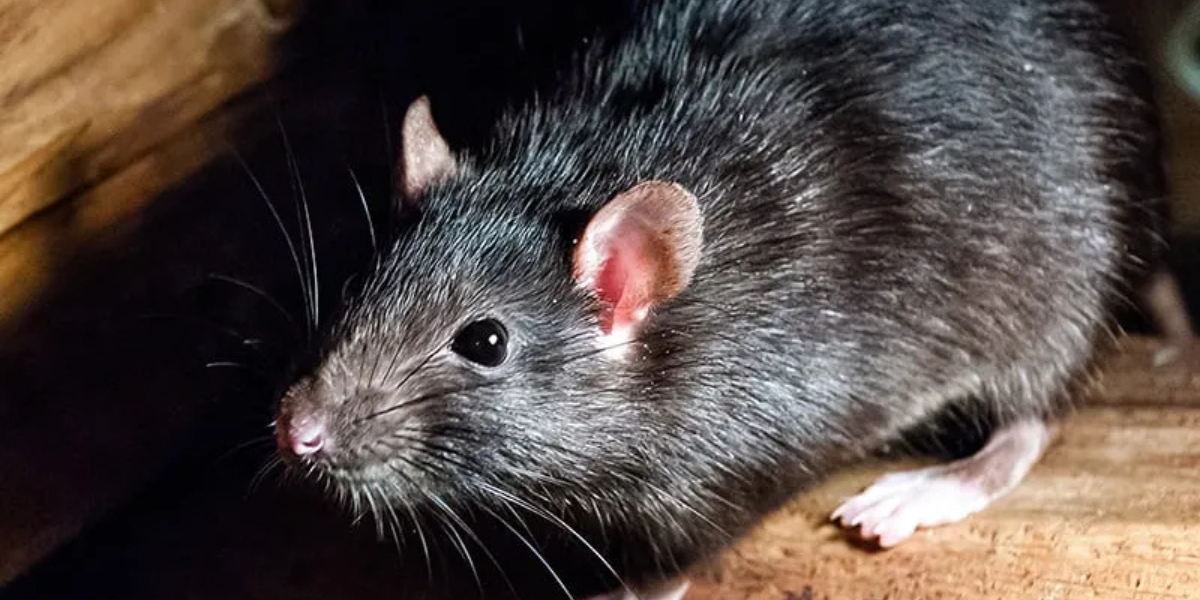
Norway Rats are heavy-bodied rodents that prefer to stay low to the ground. You will often find them in crawlspaces, basements, or burrowing under foundations. They are aggressive gnawers and can cause significant structural damage if an expert exterminator is not called to intervene.
Roof Rats: The agile climbers targeting your attic
Roof Rats are sleek and dark, and excellent climbers, unlike their cousins, the Norway Rats. In NWA, roof rats often use overhanging tree limbs to reach their roofline. They’ll chew through insulation to build a nest inside, so you need full-blown rodent prevention at the highest points of your home.
Why is Rodent Activity Increasing in NWA?
Residents often ask why they are seeing more pests lately. The answer lies in the “NWA Boom.” Extensive construction disturbs the soil and natural nesting sites, forcing rats and mice to find shelter in established residential neighborhoods. Additionally, our humid summers and fluctuating winter temperatures drive rodents indoors in search of a stable climate.
Did You Know? In a single year, a single pair of mice can have up to 50 pups. Consequently, waiting to address a sighting is never a good idea.
Signs of a Rodent Infestation
Before you can apply rodent control methods, you must confirm their presence. Early detection is the secret to lower costs and less stress.
Visual Indicators: Decoding Droppings, Gnaw Marks, and Nesting Sites
The most obvious sign is droppings. Mouse droppings are small and pointed, while rat droppings are larger and more pill-shaped. You may also notice “rub marks”—dark, greasy stains along baseboards where rodents’ oily fur rubs against the wall. Finding shredded paper or insulation is a clear sign of active nesting.
Auditory Signs: What those scratching sounds in your walls actually mean
Rodents are most active at night. If you hear scratching and scurrying coming from the ceiling or behind the drywall, you likely have an established colony. These sounds usually indicate that the rodents are moving between their nesting site and their food source.
Pet Behavior & Odors: Why your dog might find them before you do
Compared to people, pets have a far more acute sense of smell. If your dog or cat is suddenly obsessed with a specific corner of the kitchen or stares at the underside of a cabinet, they are likely detecting the musky odor of rodent urine. A strong, ammonia-like smell is a major red flag that you need rodent control services immediately.
Proven Rodent Control Methods: What Actually Works?
When it comes to clearing your home, some strategies are more effective than others. A successful plan requires a multi-faceted approach.
Sanitation First: How to starve out an infestation by removing attractions
Rodents invade your home for two reasons. Shelter and food. You greatly reduce your home’s appeal by storing all dry goods in glass or metal containers and by making sure there are no crumbs under appliances. Rodent prevention becomes significantly easier when there is no steady food source, as the environment cannot support a large population.
Trapping Strategies: The pros and cons of DIY immediate removal
Snap traps and electronic traps can be effective for a single stray mouse. However, rodents are “neophobic,” meaning they are afraid of new objects. If a trap is not placed correctly along a known travel path, the rodents will simply walk around it. For larger populations, DIY trapping often fails to keep up with the breeding cycle, so a professional rodent exterminator is usually required.
The Hidden Dangers of DIY rodent baits: Why professional oversight is a must
Many homeowners rush to the big-box store for rodent bait. This situation is risky for several reasons. First, a poisoned rodent may crawl deep into your walls and die, creating a horrific odor that lasts for weeks. Second, secondary poisoning can occur if your pet finds the bait or eats a rodent that has consumed the bait. Professional rodent control professionals use tamper-resistant bait stations that keep rodent bait away from children and pets.
How Can I Prevent Rodents From Getting Into My Home?
Once the current population disappears, we shift our focus to long-term rodent prevention. You want to turn your home into a fortress.
Exclusion Tactics: Sealing entry points from foundation to roofline
This is the most critical step in rodent control. Rodents can enter through gaps in siding, holes for utility lines, and gaps under doors.
Using steel wool, copper mesh, and specialized sealants is necessary because rodents cannot chew through these materials. A professional inspection will identify these “hidden doors” that you might miss.
Defensive Landscaping: Creating a “Rodent-Free” perimeter
Your yard is the first line of defense. Keep grass mowed short and ensure that firewood piles are at least 20 feet away from the house and elevated off the ground.
Avoid planting heavy ground cover, such as ivy, near the foundation, as it provides a perfect “highway” for rats to approach your home unseen.
Moisture Control: Why fixing leaks is a key part of rodent prevention
Rodents need water to survive. Leaky outdoor spigots, clogged gutters, and damp crawlspaces provide the hydration they need.
By installing vapor barriers in crawlspaces and fixing plumbing leaks, you remove a vital resource, making your property much less hospitable to pests.
The Importance of Rodent Prevention
Effective rodent control is not a one-time event; it is an ongoing commitment to maintenance.
Sealing Entry Points: Foundation, Rooflines, and Vents
Check your dryer vents and chimney caps. Many NWA homes have plastic vent covers that rats can easily chew through. Replacing these with heavy-duty metal mesh covers is a foundational part of rodent prevention.
Landscaping Tips to Keep Rodents Away from the Perimeter
Trim tree branches so they are at least 6 to 10 feet away from your roof. This prevents roof rats from jumping onto the roof. Also, consider the types of bird feeders you use. Spilled birdseed is one of the top reasons rodents are attracted to suburban NWA yards.
When to Call a Rodent Exterminator in NWA
How do you know when the problem is too big for a hardware store solution?
Risks of DIY Methods in Large Infestations
If you see one mouse, there are likely ten more hidden. DIY rodent control methods often only catch the “scouts” while the rest of the colony continues to breed. A professional can track the entire colony and ensure they address the root of the problem.
Health Hazards: Why Rapid Removal is Essential
Rodents carry diseases like salmonellosis, leptospirosis, and hantavirus. They also bring in secondary pests like fleas and ticks. To protect your family’s health, you should hire a professional pest control service to sanitize and secure your home.
Did You Know? Rodents have teeth that never stop growing. They must chew on hard materials like electrical wires and wood to file them down, which causes thousands of house fires every year.
Why Choose the Rid A Pest Team for Professional Rodent Control Services?
At Rid A Pest, we understand the specific challenges facing Northwest Arkansas residents. We don’t just set traps; we provide a comprehensive solution.
- Our Integrated Pest Management (IPM) Strategy: We focus on long-term prevention by combining biological, mechanical, and educational tools to manage pests while minimizing risk to people and the environment.
- Local Knowledge: We understand the difference between a mouse problem in a Fayetteville apartment and a rat problem in a Rogers warehouse. Our local expertise allows us to provide more effective rodent control services.
- Restoration and Cleanup: Rodents leave behind hazardous waste. We offer services to help clean and restore affected areas, ensuring your home is healthy once again.
If you are tired of sharing your home with pests, it is time for a professional solution. Contact us today for a comprehensive inspection and the best rodent control Northwest Arkansas has to offer.
Frequently Asked Questions About Rodent Control
Q:1 How much does professional rodent control cost in NWA?
A: The cost of rodent control services varies based on the size of your home and the severity of the infestation. A simple trapping program is less expensive than a full-home exclusion project, where we seal every entry point. We provide transparent quotes after an initial inspection.
Q:2 Are rodent control baits safe for my pets and children?
A: When applied by a licensed rodent exterminator, the materials used are very safe. We use locked, tamper-resistant stations and place them in areas inaccessible to kids and pets. Our focus is always on safety first.
Q:3 How long does it take to clear a rodent infestation completely?
A: Most infestations can be brought under control within 7 to 14 days. However, the rodent prevention phase is ongoing. We monitor the site to ensure that no new rodents can enter the perimeter.
Q:4 Can rodents chew through the spray foam or wood in my home?
A: Yes. Mice and rats can easily chew through standard spray foam and wood. That is why our rodent control methods use industrial-grade materials, such as stainless steel mesh, that their teeth cannot penetrate.
Q:5 Does homeowners insurance cover damage caused by rodents?
A: In most cases, no. Most insurance companies consider rodent damage a maintenance issue. This makes proactive rodent prevention a vital investment in protecting your home’s long-term value.